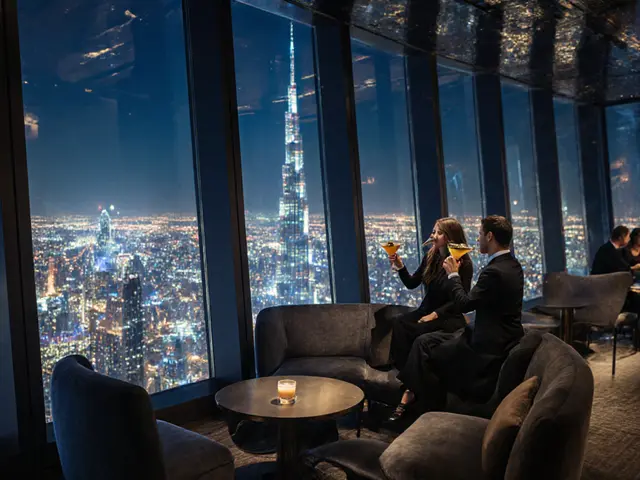
Abu Dhabi doesn’t just have nightlife-it has a carefully curated, high-stakes scene where access is as valuable as the drink in your hand. Forget what you’ve seen in movies. The most exclusive spots here aren’t loud, flashy, or easy to find. They’re quiet, private, and built for people who don’t need to announce they’re there. If you want to experience Abu Dhabi’s real elite nightlife, you need to know the rules, the names, and the right way to ask.
It’s Not About the Music, It’s About the Vibe
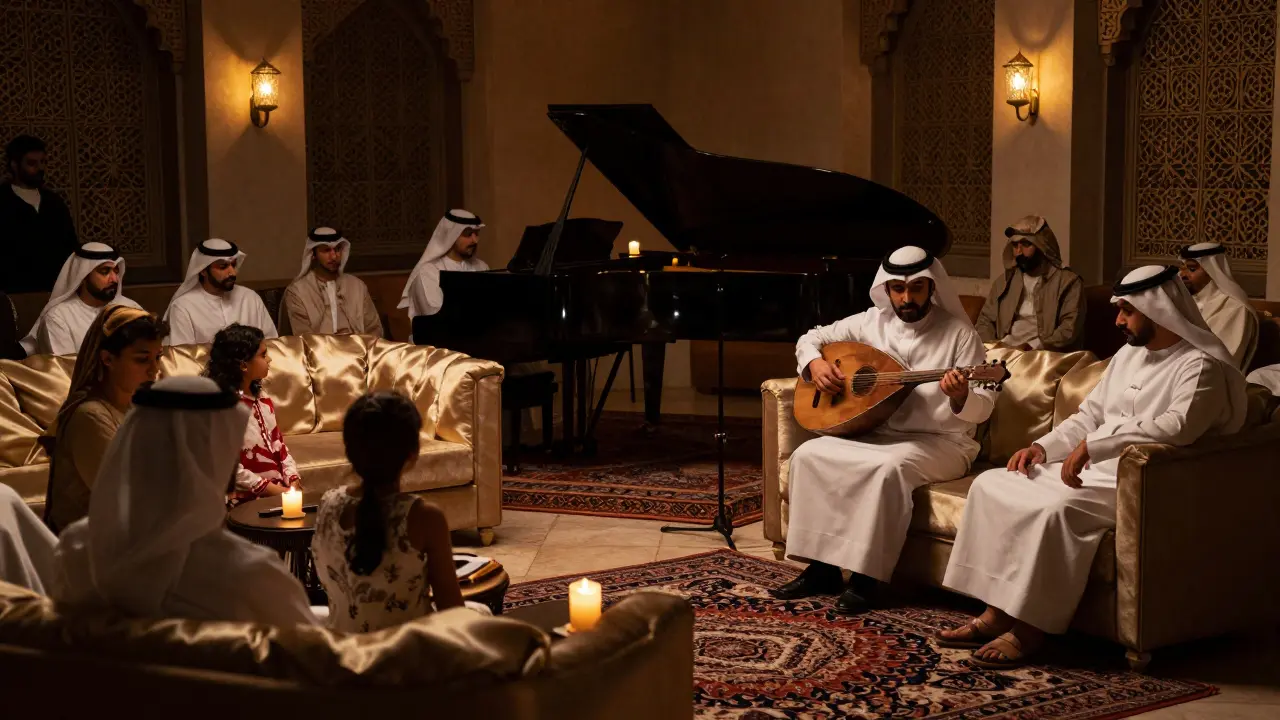
Most tourists head to Yas Island hoping for a clubbing experience like Dubai’s. But Abu Dhabi’s top venues don’t compete on bass drops or celebrity DJs. They compete on atmosphere. At Manzil, tucked inside the Emirates Palace, you won’t hear a single track louder than a whisper. The lighting is candle-lit, the seating is low couches draped in silk, and the crowd? Mostly Emirati families, diplomats, and international investors who’ve been coming here for over a decade. The music? Live oud and piano. The vibe? Like a private royal gathering you weren’t invited to-but somehow slipped into.
There’s no bouncer checking your ID here. There’s a host. And if you’re not on the list, you don’t get in. Not because you’re not rich enough, but because you didn’t get the word. That’s the first rule: you don’t find these places. They find you.
The Secret Clubs That Don’t Exist on Google Maps
There’s a place called Al Bahr that doesn’t have a sign. No website. No Instagram. It’s on the 12th floor of a nondescript building in Al Raha Beach. You need a code. You get the code from someone who’s been there. The entrance is behind a bookshelf. Inside, it’s all low leather booths, Persian rugs, and a bar that only serves rare single malt whiskies from Scotland and Japan. The bartender knows your name before you speak. The drinks? No menus. You tell him what mood you’re in, and he makes you something that costs more than your hotel room.
Another hidden gem is Al Qasr Lounge, accessible only through a private elevator in a luxury apartment complex. You need to be invited by a resident. It’s not a club. It’s not a bar. It’s a listening room. Jazz. Vinyl only. No phones allowed. The owner, a retired Emirati diplomat, personally selects the records. He’ll sit with you if you’re quiet. He won’t if you’re loud.
Why VIP Tables Are a Myth Here
In Dubai, VIP tables mean bottle service, flashing lights, and a crowd of influencers. In Abu Dhabi, VIP means you’re seated in the corner, away from everyone, with a dedicated server who brings you aged cognac without asking. At Le Jardin in Saadiyat Island, the VIP section is a private garden with a fountain and a single table for four. No music. No dance floor. Just the sound of water and the rustle of linen. The minimum spend? $1,500. But you’re not paying for the alcohol. You’re paying for silence. For privacy. For the assurance that no one will take your photo.
And here’s the truth: most of the people at these tables aren’t tourists. They’re Emirati business families. Foreign diplomats. Oil executives. Their kids? They’re at the same places, but they come later, in their 20s, when they’re trusted to know how to behave.

The Dress Code That Isn’t a Dress Code
You won’t find a posted dress code at any of these spots. But you’ll know if you’re dressed wrong. No sneakers. No baseball caps. No shorts. Even in 40°C heat, men wear tailored linen shirts, tucked in. Women wear long dresses or elegant abayas with subtle embroidery. It’s not about wealth-it’s about respect. The locals don’t dress up to impress. They dress up because they’ve been taught that elegance isn’t loud.
One American businessman told me he got turned away from Al Raha Lounge because he wore a watch with a leather strap. The host said, “That’s not the kind of leather we recognize.” He didn’t mean it was fake. He meant it wasn’t handmade by a master craftsman in the UAE. That’s the standard here. It’s not about price. It’s about provenance.
How to Actually Get In
You can’t book a table on WhatsApp. You can’t DM a club’s account. You don’t get in by paying more. You get in through connection. Here’s how it works:
- Stay at a luxury hotel like The Ritz-Carlton or St. Regis. The concierge knows who to call.
- Ask for someone who’s been to “the quiet places.” Not “the best clubs.”
- Be introduced by someone who’s already been. A name matters more than a credit card.
- Arrive after 11 PM. Before then, you’re not expected.
- Don’t take photos. Don’t post. If you do, you won’t be invited back.
There’s a reason these places stay exclusive. It’s not because they’re trying to be mysterious. It’s because they’re trying to be safe. For the people who matter here, privacy isn’t a perk-it’s a necessity.

What Happens After Midnight
Most nightlife ends by 2 AM in Abu Dhabi. But the real night doesn’t. After the clubs close, the elite move to private villas. These aren’t parties. They’re gatherings. A small group, a single chef preparing Arabic coffee and dates, a few bottles of vintage wine, and conversation that lasts until sunrise. No music. No dancing. Just voices. Stories. Quiet laughter.
One Emirati friend told me, “In Abu Dhabi, the night doesn’t end when the lights go on. It ends when the last person leaves and the door closes softly behind them.”
Why This Matters
Abu Dhabi’s nightlife isn’t about showing off. It’s about belonging. It’s about being part of a culture that values discretion over spectacle. If you come here looking for neon lights and loud beats, you’ll leave disappointed. But if you come looking for silence, connection, and something real-you’ll find it.
This isn’t the nightlife of a city trying to be something else. This is the nightlife of a city that knows exactly who it is.
Can tourists visit Abu Dhabi’s exclusive nightclubs?
Yes, but not the way you think. Tourists can get in-but only through personal invitations, hotel concierges, or trusted local contacts. No one lets you in because you bought a ticket. Access is earned through reputation, not payment.
Is there a dress code at Abu Dhabi’s top nightlife spots?
There’s no posted dress code, but the unwritten rule is strict: no casual wear. Men wear tailored shirts and slacks. Women wear elegant dresses or modest abayas. Shoes must be polished. Watches should look handmade, not mass-produced. It’s about subtlety, not labels.
Do Abu Dhabi nightclubs serve alcohol?
Yes, but only in licensed venues within hotels and private clubs. Alcohol is available, but it’s never the focus. The experience is about ambiance, conversation, and quality-not quantity. You won’t find open bars or happy hours.
What time do Abu Dhabi’s exclusive clubs close?
Most licensed venues close by 2 AM. But the real night continues in private homes and villas, where gatherings often last until sunrise. The city respects quiet hours, so loud music and dancing end early.
Are there any women-only nightlife spaces in Abu Dhabi?
Yes. Several private lounges and salons cater exclusively to women, often hosted by Emirati socialites. These are invitation-only, with no public presence. They offer tea, light bites, live poetry, and conversation. They’re not clubs-they’re sanctuaries.
How much should I budget for a night out in Abu Dhabi’s elite scene?
Minimum spends start at $1,000 for a private table, but most guests spend $2,000-$5,000. This covers rare spirits, food pairings, and service. The cost isn’t for the drinks-it’s for access, silence, and exclusivity.