Milan isn’t just about fashion shows and designer boutiques. If you’ve ever walked through its cobblestone alleys after dark and felt like you were missing something-something quieter, more refined, more real-you’re not wrong. The city’s most exclusive experiences don’t appear in tourist brochures. They’re whispered about in private clubs, tucked behind unmarked doors, or served with a single glass of Barolo in a room where the only lighting comes from candlelight.
What People Actually Mean When They Say ‘Escorts’ in Milan
Let’s clear this up right away: the word ‘escorts’ in Milan doesn’t mean what you think it does. In this city, it’s rarely about transactional encounters. It’s about access. It’s about someone who knows where the real music is playing, who can get you into a members-only jazz lounge that doesn’t take reservations, or who can arrange a private tour of a 15th-century chapel that’s closed to the public. These aren’t hired companions-they’re cultural guides with deep local roots.
Think of them as the difference between reading a menu and having the chef personally bring you his favorite dish, straight from the kitchen. In Milan, the best connections aren’t found on apps. They’re built over time, through trust, and often through mutual appreciation of art, music, or food.
The Secret Bars No Guidebook Will Tell You About
Start with Bar Basso. Yes, it’s famous-but not for the reason most tourists think. It’s the birthplace of the Negroni Sbagliato, but its real magic happens after 11 PM. That’s when the regulars arrive: architects, retired opera singers, and a few people who’ve spent decades perfecting the art of conversation. You won’t find a menu. You’ll be asked what you’re in the mood for. Then you’ll be handed a glass you didn’t know you needed.
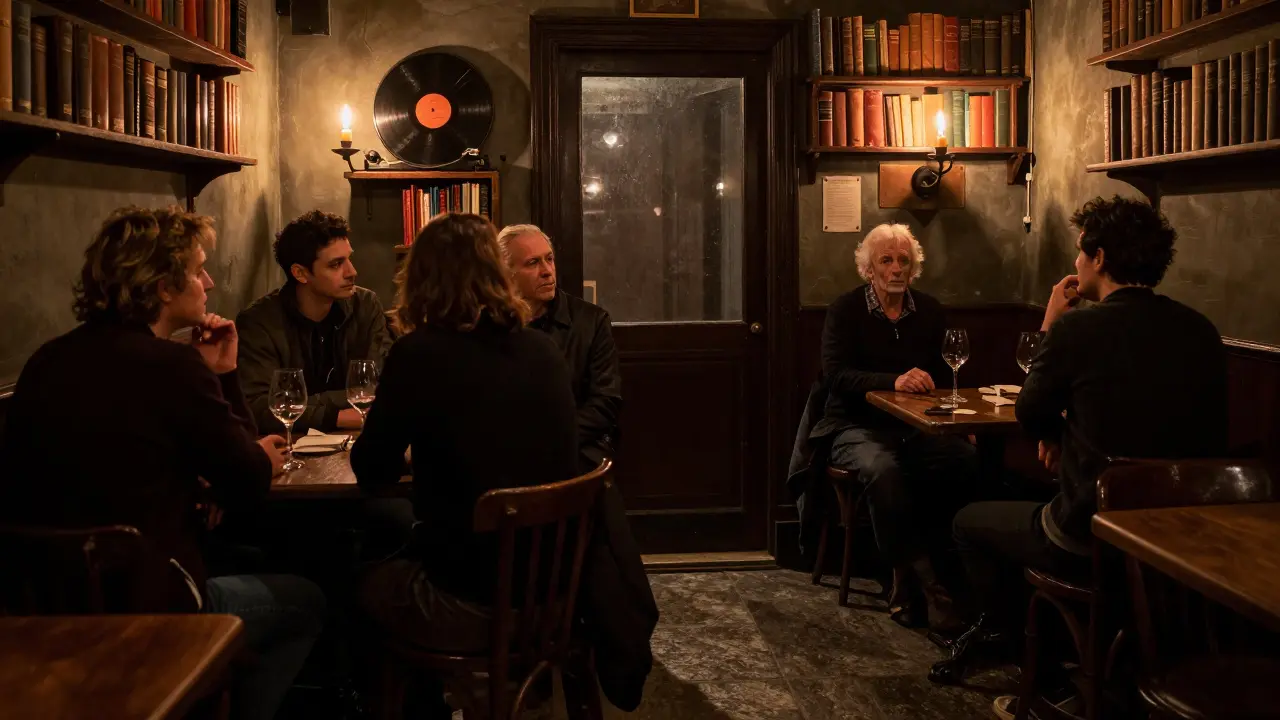
Then there’s La Sala, hidden behind a bookshelf in a quiet corner of Brera. The door doesn’t open unless someone inside recognizes your name-or your friend’s name. It’s small, dim, and smells like old leather and espresso. There’s no music, just the occasional hum of a vinyl record. People come here to talk about poetry, not parties.
And then there’s Il Clandestino, a speakeasy disguised as a tailor’s shop in Navigli. The owner, Marco, doesn’t speak English. He doesn’t need to. He knows your drink before you do. He’s been doing this since 1998. You don’t book a table. You show up at 10:30 PM with a bottle of wine you’ve been saving. He’ll nod. You’ll sit. And you’ll stay until sunrise.
The Real Milan: Where Art Meets Intimacy
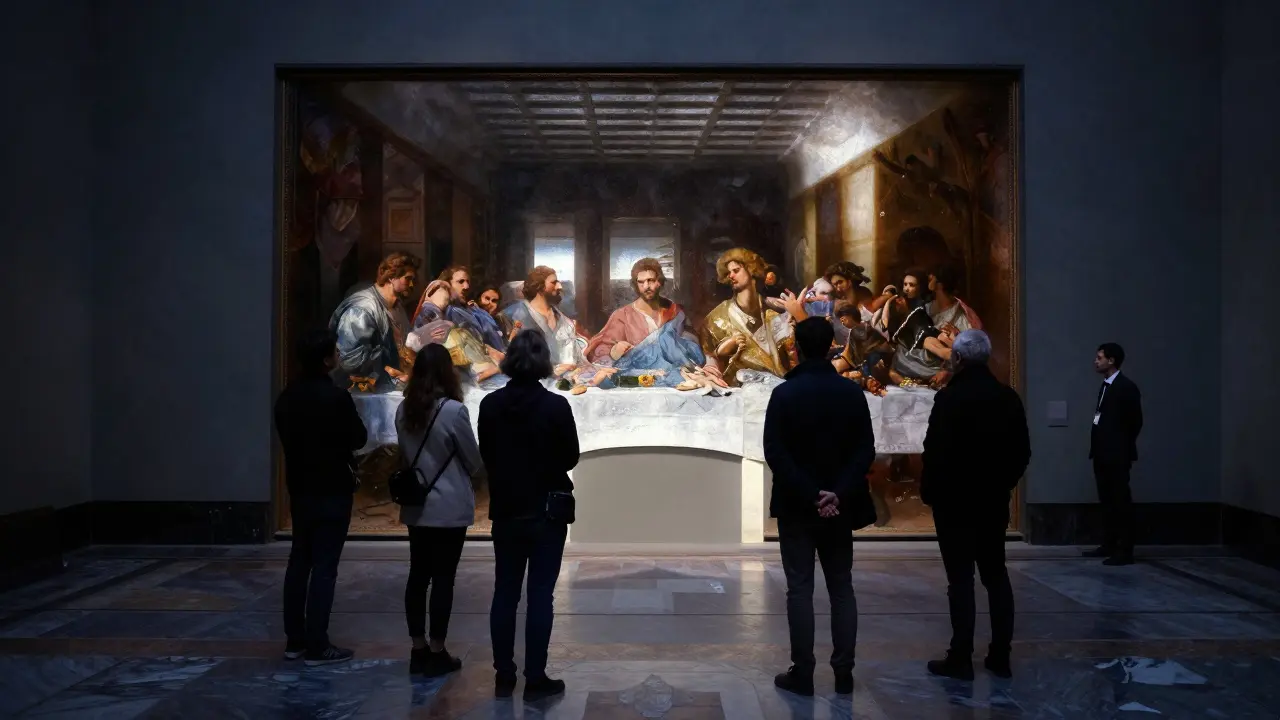
Some of the most unforgettable nights in Milan happen outside the clubs. Take the private viewings at the Pinacoteca di Brera. While the museum closes at 7 PM, a handful of curators arrange late-night openings for trusted guests-usually no more than six people. You stand in front of Caravaggio’s ‘The Supper at Emmaus’ with no crowds, no flash photography, just silence and the weight of centuries.
Or consider the rooftop dinners at Villa Necchi Campiglio. This 1930s modernist mansion, once home to a wealthy industrialist family, now hosts exclusive dinners under the stars. The menu changes weekly. The guest list is shorter than the wine list. You won’t find this on Airbnb Experiences. You need a reference. Someone who’s been before.
These aren’t luxuries you pay for. They’re privileges you earn.
How to Get In-Without Being a Tourist
You can’t Google your way into these spaces. No booking site, no VIP list, no influencer post will get you past the threshold. The real entry points are simple but hard:
- Visit during the week, not the weekend. The crowds vanish after Friday night.
- Learn a few phrases in Italian. Not just ‘grazie’-try ‘Mi scusi, ho sentito che qui si serve il miglior amaro della città.’ (Excuse me, I heard you serve the best amaro in town.)
- Go to a gallery opening, not a nightclub. Artists know who knows what.
- Ask a bartender at a quiet spot-like Bar Luce inside the Fondazione Prada-where they go after work. They’ll tell you.
- Be patient. Wait for the right moment. These places don’t need you. You need them.
The most successful visitors don’t ask for an ‘escort.’ They ask, ‘Who do you know that I should meet?’
The People Behind the Scenes
There’s Elena, a former ballet dancer who now runs a private library in the Navigli district. She hosts monthly readings for poets and composers. You need an invitation. She’ll give you one if you bring a book she hasn’t read.
There’s Luca, a retired art restorer who walks through the Duomo at dawn with small groups. He knows the cracks in the marble, the hidden signatures of long-dead sculptors. He doesn’t charge. He asks for a story in return.
There’s Sofia, who works at a small florist near Piazza Cordusio. She doesn’t sell flowers. She arranges them. For weddings, yes-but also for funerals, for secret proposals, for people who just want to feel something beautiful before they go to sleep. She’ll send you a single rose with a note: ‘For the one who listens.’
These aren’t services. They’re relationships.
Why Milan’s Hidden World Is Disappearing
The city is changing. Airbnbs have replaced family apartments. Instagram influencers now crowd the same alleys that once belonged to poets. The old guard is aging. Their children don’t want to carry on.
Some of these places are already gone. The jazz club on Via Tortona? Shut down last year. The underground cinema that showed only Italian neorealism films? Converted into a crypto office. The woman who made handmade gelato behind the train station? Retired. Her recipe died with her.
What’s left is fragile. It’s not about money. It’s about memory. About silence. About knowing when to leave a room without saying goodbye.
What to Do Instead
If you want to experience Milan’s hidden soul, don’t look for an escort. Look for a moment.
- Go to the Orto Botanico di Brera at 6 AM. No one else will be there.
- Find a small bakery on Via Vittorio Veneto. Ask for the ‘pane nero.’ It’s not on the menu.
- Walk through the Chiostri di Sant’Eustorgio after sunset. The monks still ring the bell at 9 PM.
- Visit the Teatro alla Scala box office on a Tuesday. Ask if they have a standing-room ticket for the next rehearsal.
- Buy a single book at Libreria Feltrinelli-not the one you want, but the one the clerk hands you without asking.
These aren’t tourist traps. They’re invitations.
Final Thought: Milan Doesn’t Give Away Its Secrets
It waits for you to earn them.
You won’t find the real Milan in a photo. You won’t find it in a review. You’ll find it in the quiet pause after someone says, ‘You’re not like the others.’
That’s the moment you’ve been looking for.
Are there actual escort services in Milan that I can book online?
There are no legitimate, publicly advertised escort services in Milan that operate legally or ethically. Any website or app offering such services is either a scam, a trap, or a violation of Italian law. The city’s most meaningful connections aren’t bought-they’re built through genuine interaction, respect, and time.
Can I join exclusive Milan events as a foreign visitor?
Yes, but not through ticket sales. The most exclusive events-private gallery openings, late-night concerts, intimate dinners-are shared through personal networks. Your best bet is to engage with local artists, attend cultural events, and show sincere interest in Milan’s heritage. People notice authenticity. They remember it.
What’s the best time of year to experience Milan’s hidden side?
October through February is ideal. The summer crowds are gone, the fashion shows are over, and the locals reclaim the city. Early mornings and late nights are when the real Milan emerges-quiet, warm, and unguarded.
Is it safe to explore Milan’s underground scenes alone?
Milan is one of the safest major European cities at night. That said, the hidden scenes aren’t about danger-they’re about discretion. Avoid flashing money, don’t follow strangers into unlit alleys, and never assume an invitation is open to everyone. Trust your instincts. The right people will make you feel welcome without trying too hard.
How do I find someone who can guide me to these places?
You don’t find them-you meet them. Start by visiting small, unassuming places: a bookshop with no sign, a café that only serves espresso, a church with a single candle lit in the corner. Talk to the people who work there. Ask questions. Listen. If you’re patient and respectful, someone will eventually say, ‘Come with me tomorrow.’