London doesn’t sleep. Not really. By 10 p.m., most cities are winding down. But in London, the real party is just getting started. Whether you’re into jazz in a basement speakeasy, dancing until dawn in a warehouse club, or sipping craft gin under string lights in a hidden courtyard, the city has a spot that feels like it was made for you. And it’s not just about drinking - it’s about the vibe, the history, the people, and the unexpected moments that stick with you long after the last call.
Shoreditch: Where the Night Begins
Shoreditch is where London’s nightlife got its edge. Once a quiet corner of East London, it’s now the heartbeat of the city’s after-dark scene. Start here if you want variety without hopping on the Tube. Brick Lane’s vintage shops close by midnight, but the bars stay open. The Ten Bells is a 400-year-old pub where Jack the Ripper’s victims once drank - now it’s packed with artists, DJs, and tourists who don’t mind a little history with their pint. Skip the tourist traps on the main drag and head to Boxpark Shoreditch, a maze of shipping containers turned bars and food stalls. Try Bar Termini for aperitivo hour - it’s loud, bright, and feels like you’ve stumbled into a Roman trattoria after dark.
For clubs, The End is a staple. It’s not flashy, but it’s real. Underground, dim, and packed with people who know how to move. The music shifts from house to techno to old-school hip-hop, and no one cares if you don’t know the track - just dance. If you’re into live music, The Old Blue Last has indie bands you’ve never heard of but will remember for months.
Soho: Glamour, Grit, and Everything In Between
Soho is where London’s nightlife gets its personality. It’s loud, colorful, and unapologetic. Walk down Wardour Street and you’ll see drag queens posing for photos next to old-school poker rooms and cocktail bars that cost £18 a drink - and worth every penny. The French House is a Soho institution. It’s tiny, smells like old wood and cigarette smoke, and has been a haunt for writers, musicians, and radicals since the 1920s. Order a pint, stand shoulder to shoulder with strangers, and listen to the stories.
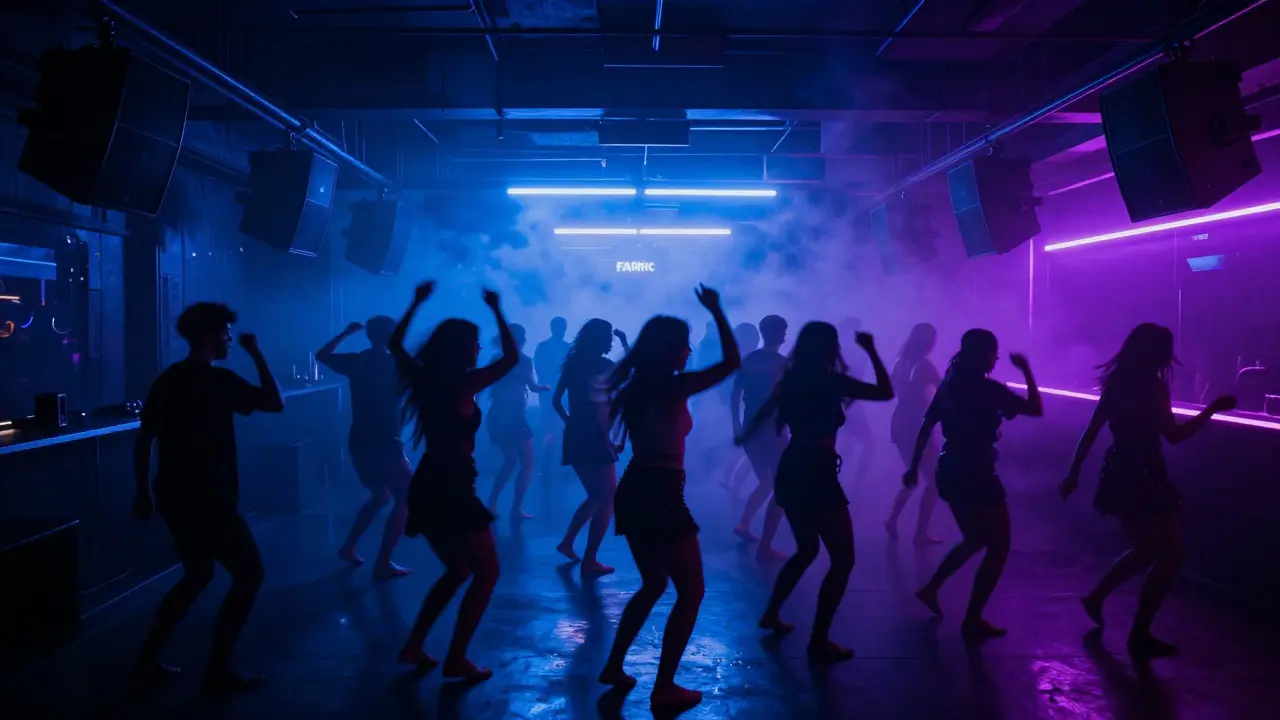
For cocktails, Nightjar is the gold standard. You won’t find a menu - instead, the bartender asks what mood you’re in, and then crafts something wild: smoked mezcal with pear and black pepper, or gin with butterfly pea flower that changes color as you sip. It’s not cheap, but it’s an experience. If you want to dance, Fabric is the place. Open until 5 a.m., it’s one of the most respected clubs in Europe. The sound system is insane. The crowd is serious about music - no selfies, no phone screens, just bodies moving. You’ll leave sweaty, tired, and already planning your next visit.
Mayfair and St. James’s: High-End Nights
If you’re looking for luxury, quiet elegance, and a touch of old-money charm, head west. Mayfair and St. James’s are where bankers, actors, and royalty unwind after dinner. The Connaught Bar has been ranked among the world’s best for five years running. The cocktails are art. The service is invisible. The atmosphere is hushed - like you’re in a private club that only lets you in if you know the right person. Order the Mayfair Mule - it’s gin, lime, and ginger beer with a twist of rosemary.
For something more playful but still refined, The Wolseley stays open until 1 a.m. It’s a grand European-style brasserie with marble floors and chandeliers. Go for the late-night oysters and a bottle of Champagne. It’s not a club, but it’s where the night feels like a movie scene - elegant, slow, and full of secrets.
Camden: Rock, Rebellion, and Rainy Nights
Camden isn’t for everyone. But if you love loud guitars, leather jackets, and the smell of fried food mixed with damp pavement, it’s your kind of night. The markets close early, but the pubs and live venues don’t. The Dublin Castle is a punk rock shrine. Bands like The Clash and Arctic Monkeys played here before they were famous. Now, it’s a mix of locals, tourists, and musicians who just got off shift. The music is raw, the beer is cheap, and the crowd doesn’t care if you can’t sing - they’ll sing with you.
For something bigger, Camden Assembly hosts underground electronic acts and indie rockers you won’t find on Spotify. The line snakes around the block on weekends. Get there early. The vibe is gritty, real, and electric. Don’t expect VIP treatment. Just expect a good time.
South Bank and The Shard: Rooftops and River Views
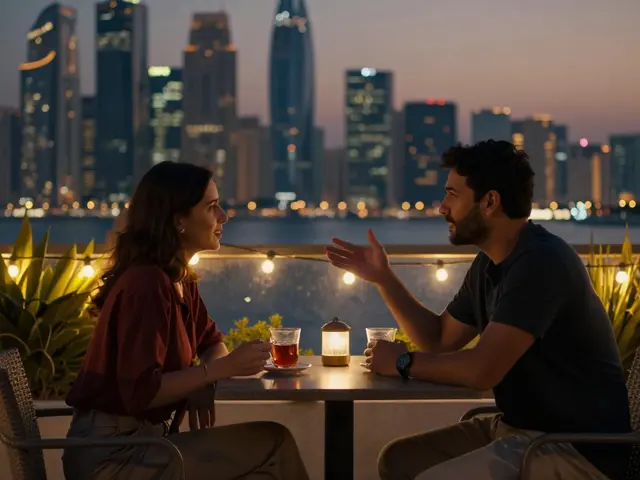
London’s skyline is stunning by day. At night, it’s breathtaking. The Shard has two rooftop bars: The View from The Shard for cocktails with a 360-degree view, and Shangri-La Hotel’s GŎNG Bar for a quieter, more intimate experience. The latter has live jazz, velvet booths, and cocktails named after Chinese poets. It’s the kind of place you go to impress someone - or just to feel like you’ve stepped into another world.
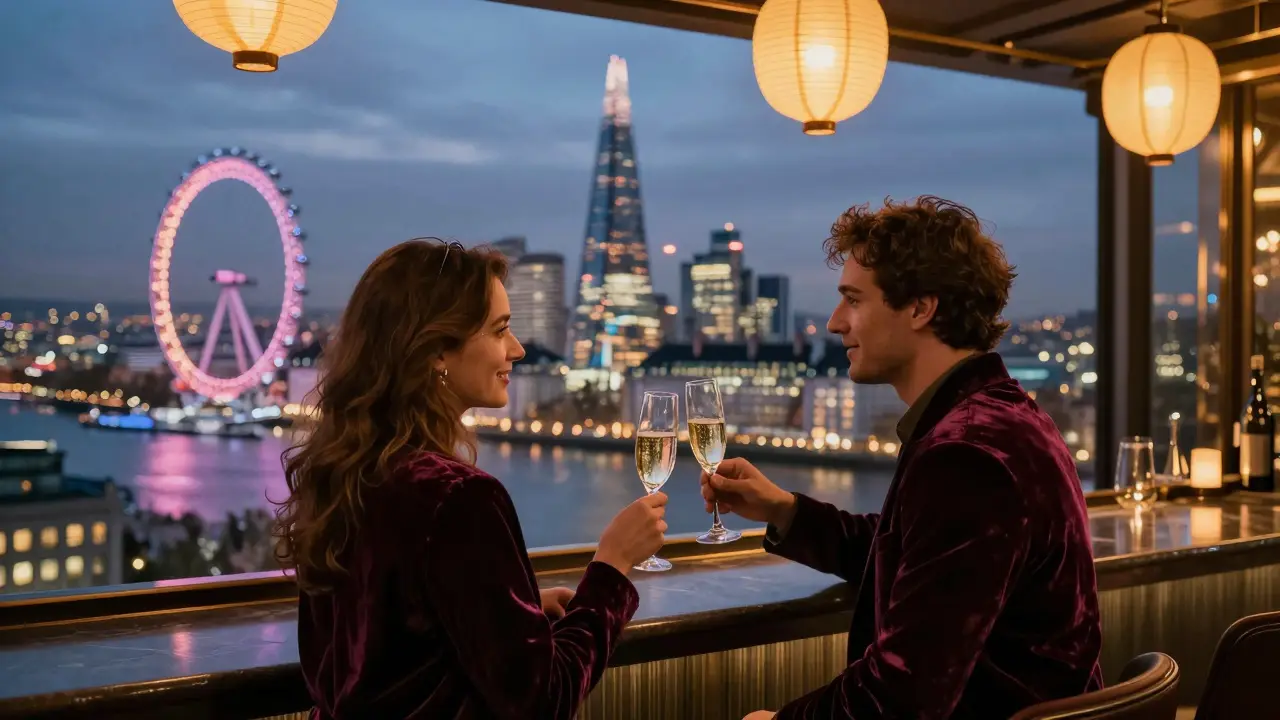
Down on the South Bank, The Rooftop at The Standard is the place for summer nights. It’s open-air, with fire pits and hammocks. The music is chill electronic, the drinks are fruity and refreshing, and the view of the London Eye glowing against the Thames is unforgettable. Bring a jacket - it gets chilly after midnight.
Hidden Gems: The Ones Locals Won’t Tell You
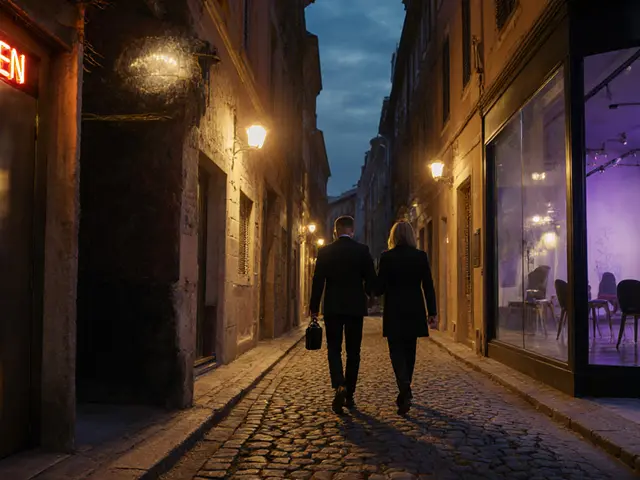
Every city has its secrets. In London, they’re often tucked behind unmarked doors or down narrow alleys. El Vino, a wine bar near Cannon Street, has been serving natural wines since 1872. No menu. Just ask for something “interesting” and the staff will hand you a glass from a bottle they’ve been aging since 2018. Bar Zaza in Soho is a retro-chic lounge with velvet couches, disco balls, and a soundtrack of 70s funk. It’s open until 2 a.m. and never feels crowded, even on Friday.
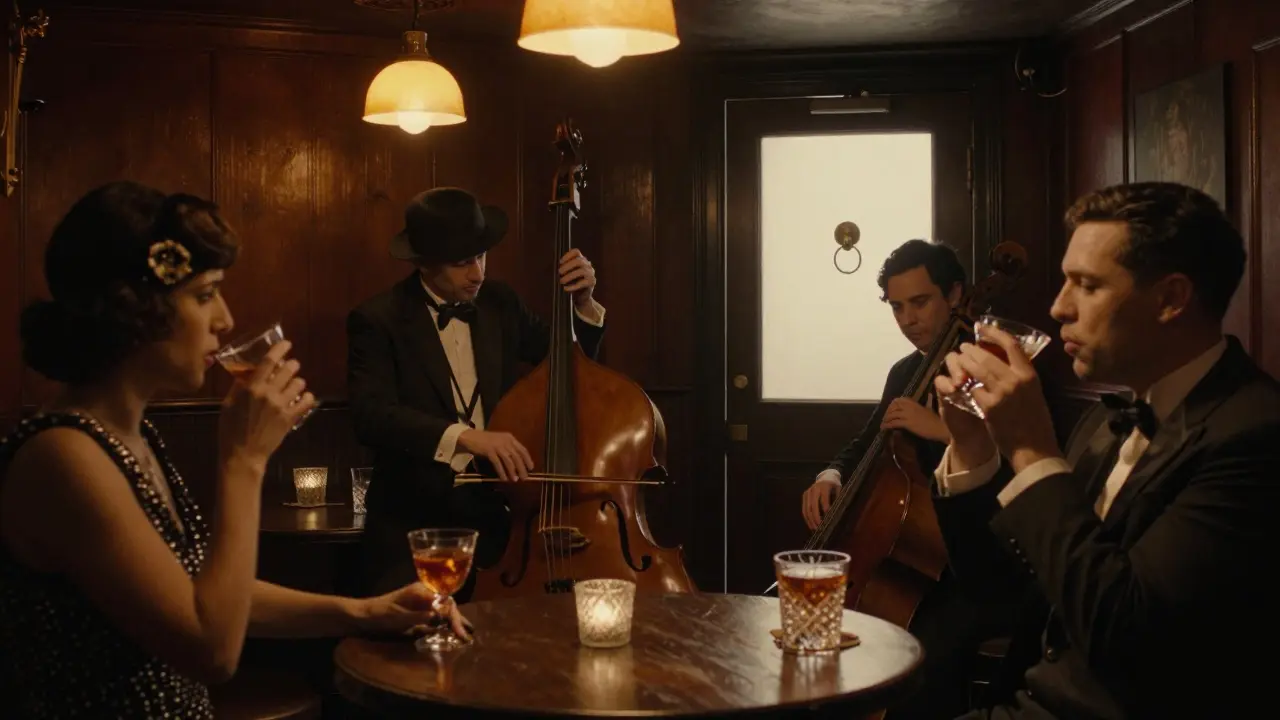
And then there’s The Blind Pig in Notting Hill. You need to text a number to get the password. It’s a speakeasy with a 1920s vibe - jazz trio, dim lighting, and cocktails served in vintage glassware. No one takes photos. No one talks loudly. It’s the kind of place that feels like you’ve been let in on a secret you weren’t supposed to know.
What to Know Before You Go
London’s nightlife is diverse, but it’s not always easy to navigate. Here’s what actually matters:
- Age restrictions: Most clubs require ID. Even if you look 30, bring your passport or driving license. Bouncers don’t take chances.
- Transport: The Tube stops around 1 a.m. on weekdays, 2 a.m. on weekends. Night buses run, but they’re slow. Uber and Bolt are reliable - but prices spike after midnight. Book ahead if you can.
- Dress code: Some places in Soho and Mayfair have strict rules - no trainers, no hoodies. Others, like Camden, expect you in ripped jeans and a band tee. When in doubt, dress to stand out - but not too much.
- Cost: A pint in Shoreditch is £6. In Mayfair, it’s £14. Cocktails range from £12 to £22. Drinks at rooftop bars start at £18. Budget accordingly.
- Timing: Pubs fill up around 9 p.m. Clubs don’t get busy until 11 p.m. or later. Don’t show up at 10:30 if you want to dance.
Final Tip: Don’t Plan Too Much
The best nights in London aren’t the ones you schedule. They’re the ones that happen when you wander, when you follow a crowd, when you hear music spilling out of a doorway you didn’t notice before. You might end up in a karaoke bar in Peckham, a jazz club in Brixton, or a rooftop garden in Dalston. That’s the magic. London doesn’t just have nightlife - it has hundreds of little nights, each one different, each one unforgettable.
What’s the best time to go out in London?
Most Londoners start their night around 9 p.m. with drinks in a pub, then move to a club by 11 p.m. or midnight. Clubs don’t really come alive until after 1 a.m., and many stay open until 5 a.m. If you want to dance, don’t show up before midnight - you’ll be the only one there.
Is London nightlife safe at night?
Yes, most areas are safe, especially in tourist-friendly zones like Soho, Shoreditch, and South Bank. Stick to well-lit streets, avoid isolated alleys after 2 a.m., and use licensed taxis or ride apps. Avoid carrying large amounts of cash. The police are visible in nightlife districts, and most venues have security staff.
Do I need to book tickets for clubs in London?
For big-name clubs like Fabric, Printworks, or XOYO, yes - especially on weekends. For smaller venues, you can usually walk in. Some bars have guest lists - ask ahead if you’re going with a group. Booking in advance saves you from waiting in long lines, especially during festivals or holidays.
What’s the most expensive nightlife spot in London?
The Connaught Bar in Mayfair is one of the most expensive. A single cocktail can cost £25-£35. Rooftop bars like GŎNG Bar or The View from The Shard charge £20+ for drinks. Private members’ clubs like Annabel’s or Mahiki require invitations or expensive reservations. If you’re looking for luxury, expect to pay for it - but the experience is unmatched.
Are there any free nightlife options in London?
Yes. Many pubs in Camden and Peckham have live music with no cover charge. Some bars in Shoreditch host free DJ sets on weekdays. The South Bank often has free outdoor events in summer - think film screenings, art installations, and acoustic sets. Walk along the Thames at night - the city lights are free, and the views are incredible.
What’s the best way to get around London at night?
Night buses run every 20-30 minutes across the city. Use the TfL website or app to check routes. Uber and Bolt are reliable and widely available. Avoid black cabs unless you’re in a hurry - they’re expensive and slow. Walking is fine in central areas like Soho and Covent Garden, but avoid isolated areas after midnight.