Paris doesn’t sleep when the sun goes down. While the city is famous for its cafés, museums, and cobblestone streets, its nightlife is where the real magic happens after dark. Forget the clichés-this isn’t just about champagne and berets. Paris has a layered, evolving night scene that mixes hidden speakeasies, rooftop lounges, legendary cabarets, and underground techno dens. If you want to experience the city after midnight, here are the places that actually matter.
Le Perchoir: Rooftop Views and Local Vibe
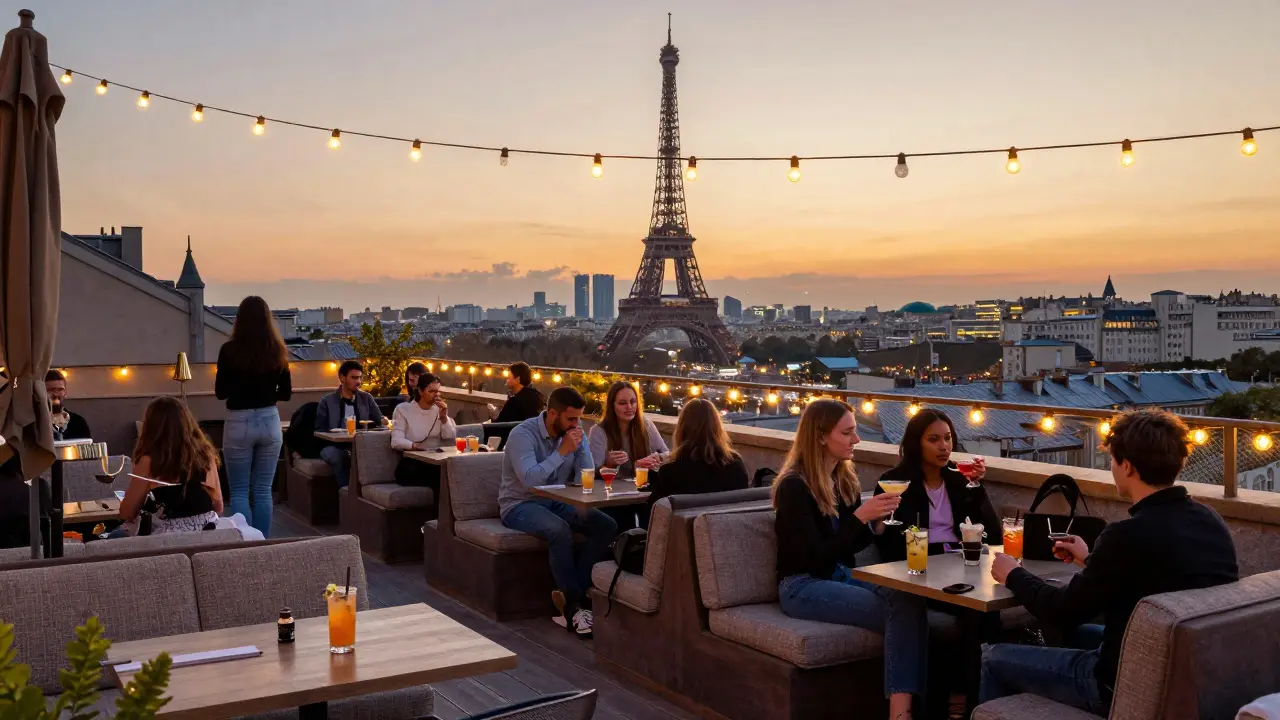
Le Perchoir isn’t one place-it’s a chain, but the Le Perchoir on Rue de la Fontaine au Roi in the 11th arrondissement is the original and still the best. It’s not a club. It’s not a bar. It’s a social experiment built on concrete, string lights, and a view that stretches from the Eiffel Tower to the Montmartre skyline. Locals come here to unwind after work, not to show off. You’ll find students, artists, and expats sipping natural wine or craft beer on mismatched couches. The playlist? A mix of French indie, jazz, and lo-fi beats. No cover charge. No dress code. Just a $7 cocktail and a seat where you can watch the city glow. It’s open until 2 a.m. on weekdays and 3 a.m. on weekends. If you want to feel like a Parisian, not a tourist, this is where you start.
Moulin Rouge: The Icon That Still Delivers
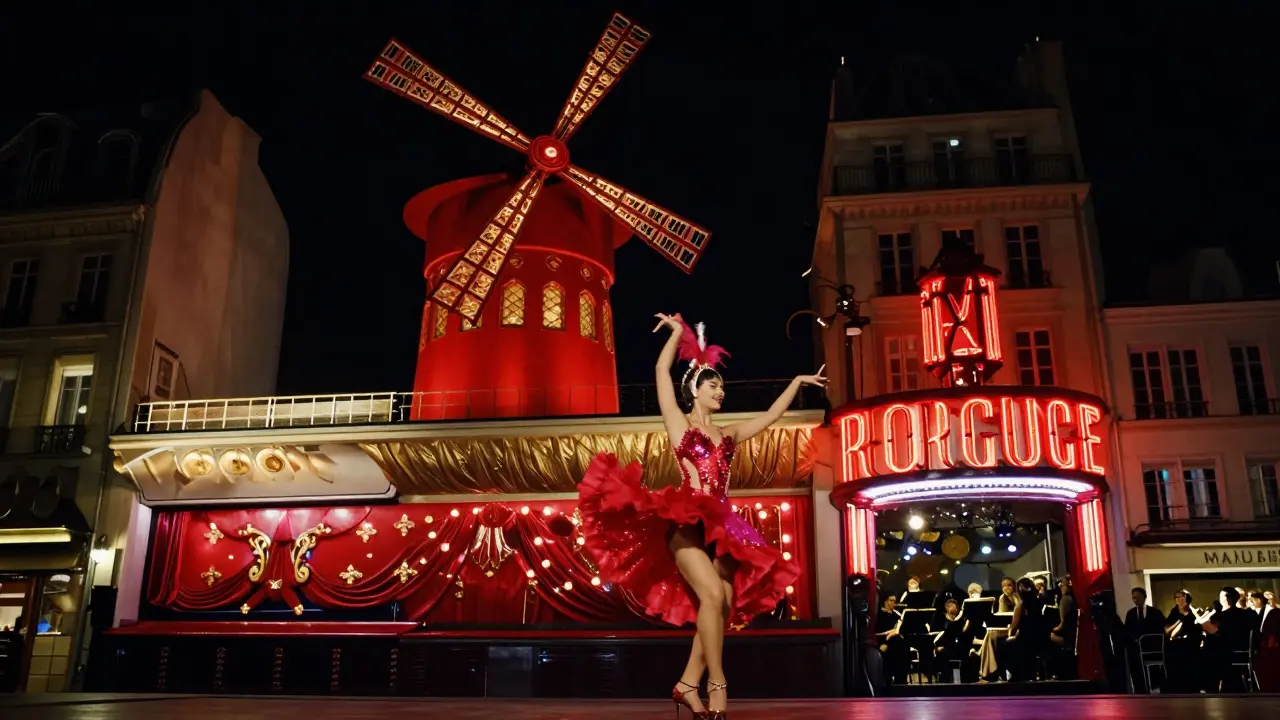
The Moulin Rouge isn’t just a postcard. It’s a working theater that’s been putting on shows since 1889. The red windmill is real. The can-can dancers still kick their heels high enough to hit the chandeliers. The costumes? Hand-sewn, glittering, and heavier than they look. The show lasts 90 minutes and costs €79 for basic seats. If you want to upgrade, the dinner-and-show package runs €180-but it’s worth it if you’ve never seen live French cabaret. The music is live. The choreography is tight. The energy? Electric. Don’t expect subtlety. This is spectacle, pure and simple. Book tickets weeks in advance. Walk-ins rarely get in. And yes, it’s touristy-but it’s also one of the few places in the world where history still dances.
La Java: The Last True Dance Hall
Most Parisian clubs close by 2 a.m. La Java in the 18th arrondissement closes at 6 a.m. It’s a relic from the 1970s, tucked under a railway arch near Porte de Clignancourt. The walls are painted with murals of jazz legends. The floor is sticky with decades of spilled beer. The music? A rotating mix of funk, soul, disco, and Afrobeat, all spun by local DJs who’ve been here since the ’90s. You won’t find Instagram influencers here. You’ll find couples dancing like they’ve got all night. And they do. The crowd is a mix of seniors who’ve been coming since their teens and kids who just discovered it on TikTok. It’s not glamorous. It’s not expensive. It’s real. Entry is €8. No ID check. No VIP section. Just music, sweat, and rhythm.
Cluny: The Underground Techno Temple
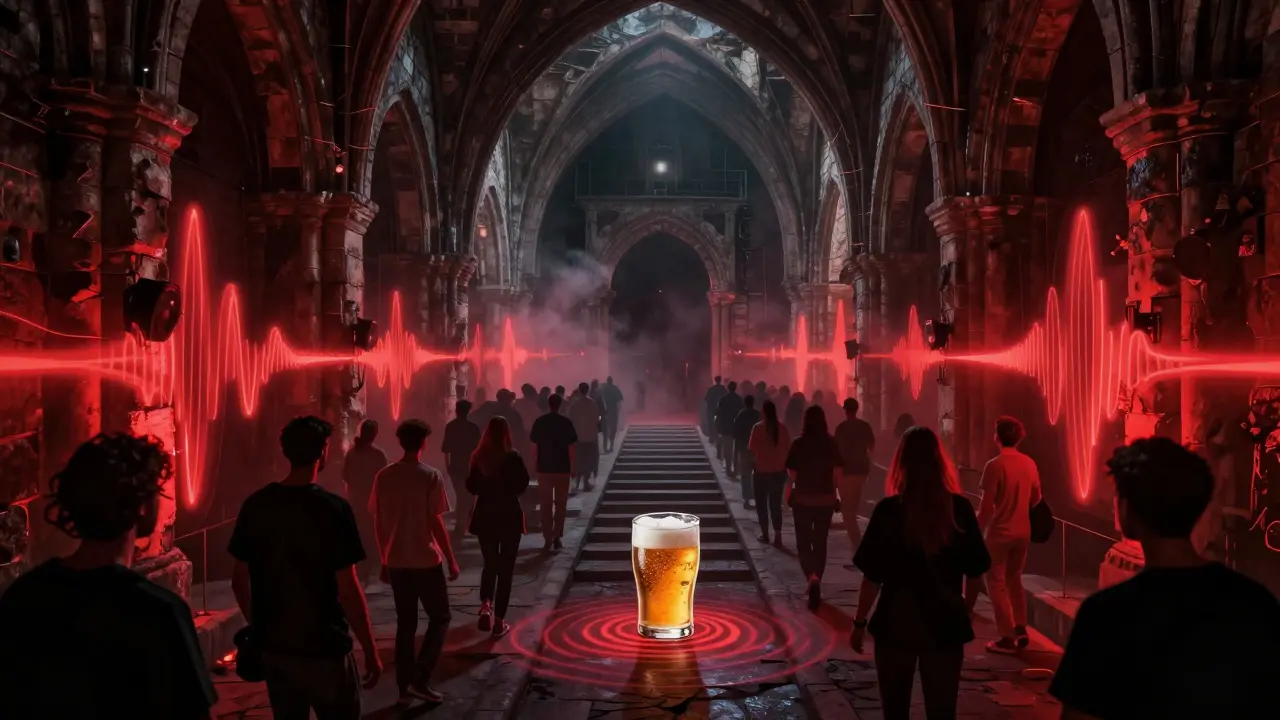
Underneath a 12th-century abbey in the Latin Quarter lies Cluny, a basement club that’s been running since 1992. This isn’t a trendy spot-it’s a pilgrimage site for techno heads. The sound system? Built by a former engineer from Berlin. The lighting? Only red and black. The crowd? Mostly French, German, and Belgian locals who drive in for the weekend. DJs play from midnight to 7 a.m., six nights a week. No bottle service. No table reservations. Just a narrow staircase down into a room where the bass shakes the stone walls. You’ll hear minimal techno, acid house, and experimental loops. It’s not for everyone. But if you’ve ever danced until your feet hurt and your phone died, this is your church. Entry is €12. Bring cash. The bar doesn’t take cards.
Barney’s: The Jazz Hideout
Barney’s, tucked into a quiet courtyard off Rue des Martyrs in the 9th, has been around since 1988. It’s small. It’s dim. It smells like old wood and bourbon. The stage is barely big enough for a trio. But every night, you’ll find a different jazz combo-sometimes a pianist from Senegal, sometimes a saxophonist from Lyon, sometimes a young American expat with a voice like Billie Holiday. No cover. No reservations. Just a stool at the bar, a glass of red wine, and the kind of music that makes time disappear. It’s open until 1 a.m. on weekdays and 2 a.m. on weekends. You won’t find a menu of cocktails here. Just whiskey, wine, and a few local beers. If you want to hear music that’s alive, not produced, this is it.
Le Comptoir Général: Where the Party Feels Like a Story
Le Comptoir Général is a sensory overload. A former colonial warehouse turned into a bar, museum, and performance space. The walls are lined with vintage suitcases, African masks, and antique maps. The bar serves rum cocktails made with spices imported from Madagascar. The music? A mix of Afro-jazz, reggae, and electronic beats. On weekends, there’s live drumming, poetry readings, or silent disco. It’s not a club. It’s not a bar. It’s a world you walk into. The crowd is international, creative, and loose. Entry is free, but drinks start at €14. It’s open until 2 a.m. on weekdays and 4 a.m. on weekends. If you want to feel like you’ve stumbled into a secret society, this is the place.
What to Avoid
Not every bar in Paris is worth your time. Skip the places near the Champs-Élysées that charge €25 for a gin and tonic. Avoid the clubs that play only EDM and have bouncers who check your outfit like it’s a dress code exam. Don’t go to tourist traps that promise "authentic Parisian nightlife" with a waiter singing "La Vie en Rose." Real nightlife here isn’t performative. It’s quiet, it’s local, and it’s often hidden.
Pro Tips
- Parisian bars don’t open until 9 p.m. Don’t show up before then.
- Cash is still king. Many places, especially smaller ones, don’t accept cards after midnight.
- Wear something comfortable. You’ll be walking a lot-Paris nightlife isn’t clustered.
- Don’t rush. The best spots don’t have lines. They have stories.
- Use the metro. It runs until 1:15 a.m. on weekdays and 2:15 a.m. on weekends. Taxis are expensive and hard to find after 2 a.m.
When to Go
Weekends are packed, but weekdays are where the real locals go. Thursday and Friday are quiet but lively. Saturday is the peak-expect crowds at Moulin Rouge and Le Perchoir. Sunday nights are surprisingly good for jazz and intimate venues. Monday is dead everywhere except Cluny, which opens for its weekly techno night. Tuesday is the quietest, but Barney’s and Le Comptoir Général still hum along.
Is Paris nightlife safe at night?
Yes, most nightlife areas in Paris are safe, especially in central districts like the 11th, 18th, and 9th. Stick to well-lit streets and avoid isolated alleys after 2 a.m. The metro is reliable and runs late. Don’t carry large amounts of cash, and keep your phone secure. Violent crime is rare in nightlife zones, but pickpocketing can happen in crowded bars. Use a crossbody bag and stay aware.
Do I need to book tickets in advance?
Only for Moulin Rouge and major events. For Le Perchoir, Cluny, La Java, Barney’s, and Le Comptoir Général, walk-ins are welcome. But if you want a table at Le Perchoir on a Saturday, arrive before 9 p.m. to claim a spot. For Moulin Rouge, book at least two weeks ahead-especially if you want dinner with the show.
What’s the dress code?
There’s no strict dress code anywhere except Moulin Rouge, where smart casual is recommended (no flip-flops or sportswear). Everywhere else? Jeans, a nice shirt, or a dress work fine. Parisians value comfort and authenticity over fancy outfits. If you look like you’re trying too hard, you’ll stand out for the wrong reasons.
Can I find English-speaking staff?
In tourist-heavy spots like Moulin Rouge and Le Perchoir, yes. But in places like Cluny, Barney’s, or La Java, staff often speak little to no English. Don’t worry-it’s part of the experience. Point, smile, and use Google Translate if needed. Most bartenders are happy to explain the drink menu in simple terms.
Are there any free nightlife options in Paris?
Yes. Le Comptoir Général has no entry fee. Barney’s is free to enter. La Java charges only €8. Many neighborhood bars offer live music without cover charges on weekdays. You can also stroll along the Seine, enjoy the lights of the Eiffel Tower (it sparkles for five minutes every hour after dark), or sit in a park with a bottle of wine from a local bodega. The best nightlife doesn’t always cost money.
Final Thought
Paris nightlife isn’t about flashing lights and loud music. It’s about moments. The quiet jazz trio that plays one last song before closing. The stranger who buys you a drink because you both laughed at the same joke. The rooftop where you watch the city wake up slowly. It’s not a party. It’s a rhythm. And once you find it, you’ll keep coming back-not because it’s famous, but because it feels like home.