Paris didn’t just invent nightlife-it reinvented it every decade.
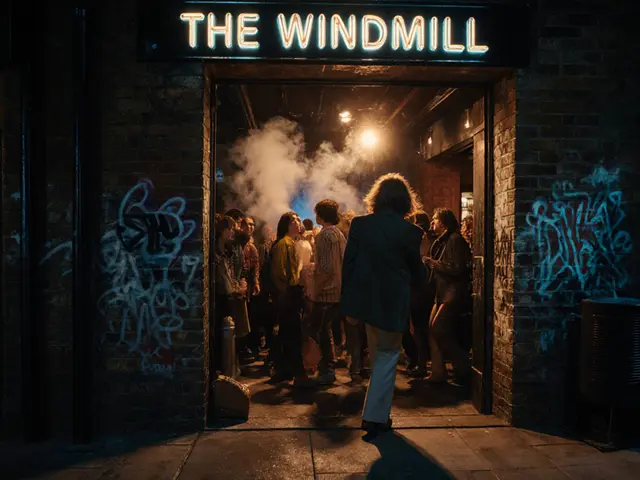
Walk down Rue des Martyrs in Montmartre at 2 a.m. and you’ll hear jazz bleeding out of a basement club. Ten minutes later, in Oberkampf, bass thumps from a warehouse turned rave spot. Around the corner, an old-school bistro still serves absinthe to a crowd of poets and pensioners. This isn’t chaos-it’s Paris nightlife, layered like a croissant: flaky tradition on top, dense history underneath, and something new bubbling up in the middle.
Forget the postcards. Paris after dark isn’t about candlelit cafés and accordion music anymore. It’s a living, breathing ecosystem that’s changed shape with every war, revolution, and tech boom. From the 1920s jazz clubs that made Hemingway famous to the underground techno dens that now draw crowds from Tokyo and Toronto, the city’s night has always been about more than drinking. It’s about identity, rebellion, and belonging.
The Roaring Twenties: When Paris Became the World’s Playground
In the 1920s, Paris was the place to be if you wanted to be seen-or unseen. The city had just emerged from World War I, and a generation of artists, writers, and expats flocked here to escape Puritanism and embrace freedom. The Left Bank became a magnet for the avant-garde. Le Boeuf sur le Toit, a cabaret in Montparnasse, hosted Django Reinhardt and Josephine Baker. At Le Jockey, patrons danced the Charleston until sunrise while painters like Modigliani sketched them in charcoal.
These weren’t just clubs. They were salons with alcohol. Intellectuals debated Sartre and Camus over gin fizzes. Women smoked in public. Black American musicians, welcomed here when they were barred at home, turned Paris into the epicenter of jazz. The rules were simple: be bold, be strange, be alive. That energy didn’t die-it just moved.
The Quiet Years: When the Lights Went Dim
By the 1970s, Paris nightlife had lost its edge. The city was rebuilding, but not daring. The old jazz clubs had turned into tourist traps. The Latin Quarter became crowded with cheap bars selling overpriced beer. The government cracked down on late-night openings. Curfews were enforced. The spirit of rebellion had been replaced by bureaucracy.
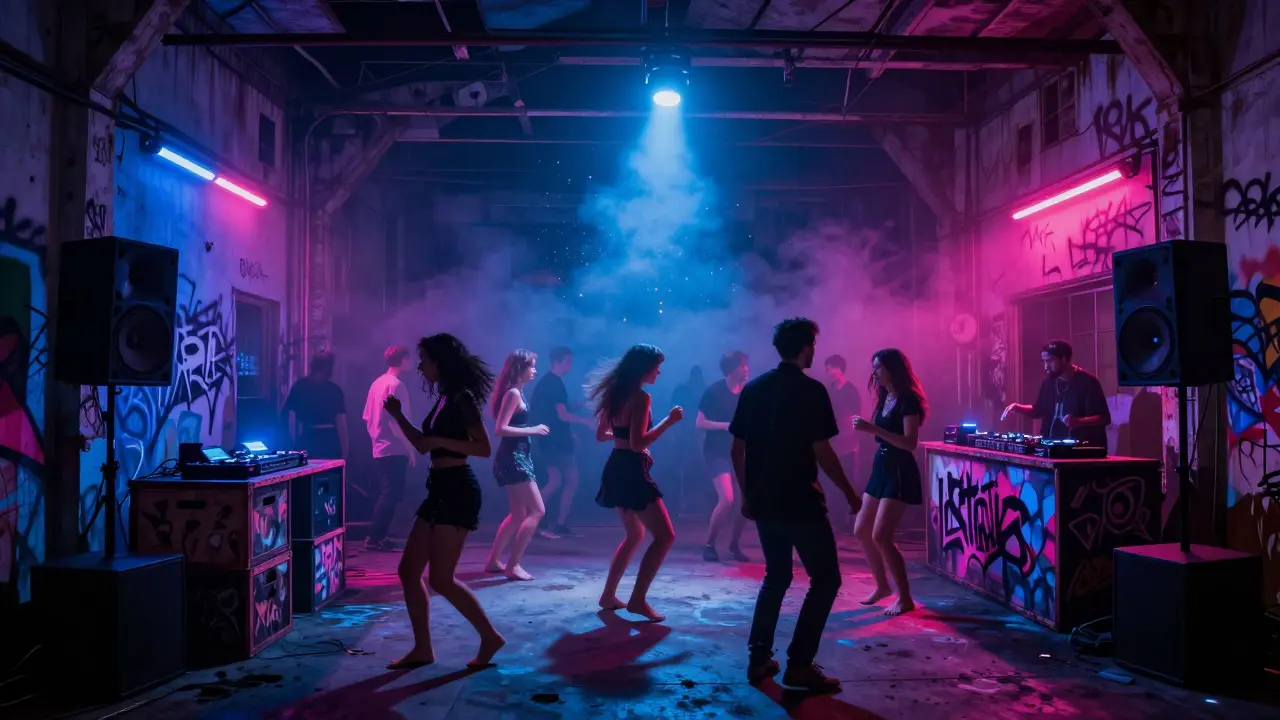
Then came the 1980s. A new generation, raised on punk and new wave, started throwing parties in abandoned factories. The first true underground clubs emerged-not in Montmartre or Saint-Germain, but in the industrial outskirts: Belleville, La Villette, and the 13th arrondissement. These weren’t glamorous. They were cold, dirty, and loud. But they were real. People danced to electronic music they’d heard on bootleg tapes from Detroit and Berlin. The police raided them weekly. The crowds kept coming.
The 2000s: The Rise of the Nighttime Economy
By the early 2000s, Paris realized it was sitting on a goldmine. Nightlife wasn’t just culture-it was commerce. The city began offering grants to convert empty warehouses into venues. The government extended bar closing times. The Mairie de Paris launched Paris Nocturne, a city-backed initiative to promote safe, legal nighttime entertainment.
Clubs like Concrete and Le Baron became international names. Concrete, tucked under the Gare de Lyon, turned a forgotten freight yard into a temple of techno. Le Baron, in the 8th arrondissement, attracted celebrities and fashion insiders with its velvet ropes and secret entrances. Suddenly, Paris wasn’t just a place to visit at night-it was a destination.
But with success came homogenization. Some spots became too expensive. Others became too curated. The soul of the underground started fading. Locals began asking: Where’s the real Paris now?
Today: A City of Contrasts
2026’s Paris nightlife isn’t one scene-it’s dozens. You can find them all if you know where to look.
- In the Marais, you’ll find Le Baron’s younger cousin, Le Comptoir Général, a hybrid bar, museum, and cultural space with live Afrobeat and vintage African artifacts.
- In the 10th arrondissement, La Station hosts all-night raves in a former train depot, with sound systems imported from Berlin and DJs from Lagos and Seoul.
- Down in Belleville, Le Très Petit Club is a 30-person basement venue where no one wears shoes and the playlist is chosen by whoever walks in first.
- And in the 18th, Le Caveau de la Huchette still plays hot jazz every night-just like it did in 1948.
What ties them together? A refusal to be boxed in. Paris doesn’t have a single nightlife identity anymore. It has a thousand. And each one tells a different story.
Who Goes Out Now? And Why?
The old stereotype of Parisians sipping wine at midnight? It’s outdated. Today’s nightgoers are a mix: students from Sciences Po, retirees from the 15th, digital nomads from Brazil, and young Parisians raised on TikTok and techno.
Why do they go out? Not just to drink. To feel connected. To escape the pressure of work. To find a community. A 2024 survey by the Paris Chamber of Commerce found that 68% of people aged 18-30 say nightlife is their main way of meeting new people. For immigrants, it’s often the first place they feel accepted. For artists, it’s the only space where experimentation isn’t judged.
Even the older generation hasn’t disappeared. Many 60+ Parisians still go out. Not to clubs, but to salons de thé that stay open until 2 a.m., or to late-night concerts at the Philharmonie. The night isn’t just for the young. It’s for anyone who wants to be part of something alive.
What’s Next? The Future Is Local
The biggest shift in the last five years? The rise of hyper-local nightlife. No more chasing the same five famous clubs. People are discovering hidden spots in the 19th, the 20th, even the outer suburbs. A new wave of bar owners is opening places that reflect their own neighborhoods-not what tourists expect.
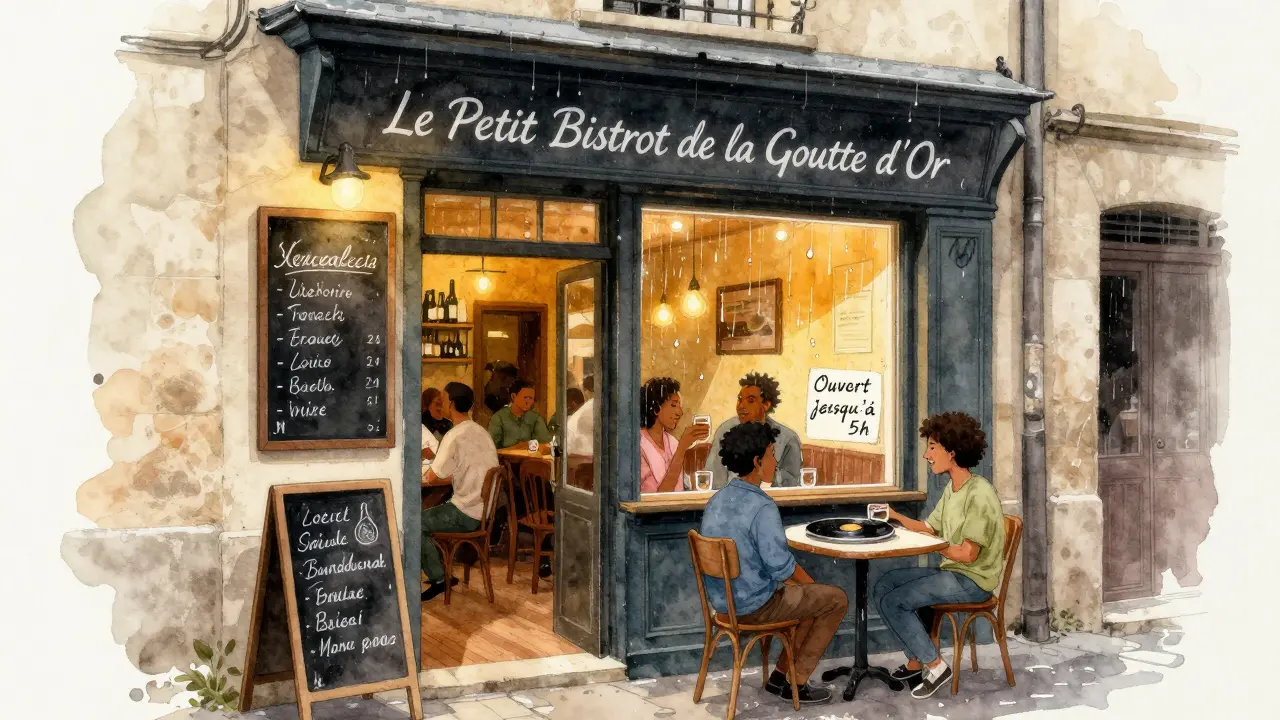
Take Le Petit Bistrot de la Goutte d’Or, a tiny wine bar in a predominantly Senegalese neighborhood. They serve natural wines from the Loire and play mbalax music. No sign. No website. Just word of mouth. It’s not on Instagram. But it’s packed every Friday.
This is the real evolution: from global trends to local truth. Paris nightlife is no longer about being seen. It’s about being known. By the bartender. By the DJ. By the person next to you who doesn’t speak your language but smiles when the music drops.
How to Experience It Right
If you’re visiting Paris and want to feel the real night-not the Instagram version-here’s how:
- Forget the guidebooks. Ask a local bartender where they go after their shift.
- Walk. Don’t take a taxi. The best discoveries happen when you get lost.
- Go early. Most places don’t fill up until after midnight.
- Try a verre de vin naturel-natural wine is now the city’s unofficial drink.
- Don’t expect English menus. Some of the best spots don’t have them at all.
The goal isn’t to check off clubs. It’s to find a moment-where the music is too loud, the air smells like smoke and rain, and you realize you’re exactly where you’re supposed to be.
Is Paris nightlife safe at night?
Yes, for the most part. Most popular nightlife districts-Montmartre, Le Marais, Oberkampf, and the 10th arrondissement-are well-lit and patrolled. Avoid isolated streets after 3 a.m., especially near train stations. Stick to busy areas, and don’t flash valuables. The biggest risk isn’t crime-it’s overpriced drinks in tourist traps. Trust your gut. If a place feels off, walk away.
What’s the best time to go out in Paris?
Parisians don’t start going out until after 11 p.m. Clubs don’t fill up until midnight. If you arrive at 9 p.m., you’ll be the only one there. For clubs, aim for 1 a.m. to 3 a.m. That’s when the real energy kicks in. Bars and wine spots stay open later, often until 5 a.m. on weekends. The city doesn’t shut down-it just changes rhythm.
Do I need to dress up to go out in Paris?
It depends on where you’re going. In Le Marais or Saint-Germain, smart casual works-no sneakers, no hoodies. In underground spots like La Station or Le Très Petit Club, jeans and a t-shirt are fine. Some venues still have dress codes, but they’re rare. The real rule? Be clean, be confident, and don’t look like you’re trying too hard. Parisians notice effort-but they hate pretense.
Are there still jazz clubs in Paris?
Absolutely. Le Caveau de la Huchette has been playing live jazz since 1948. Sunset/Sunrise in the 11th arrondissement mixes jazz with electronic beats. And Le Duc des Lombards brings in international legends every month. Jazz isn’t a relic-it’s alive, evolving, and still drawing crowds of all ages. If you hear saxophone drifting from a basement, follow it.
Can I find vegan or vegetarian options in Paris nightspots?
Yes, and it’s better than ever. Most bars now offer at least one vegan snack-think hummus plates, roasted veggie croquettes, or plant-based charcuterie. Places like Le Potager du Marais and Le Grenier de Notre-Dame have full vegan menus. Even traditional bistros now label vegan options. The city’s food scene has caught up with global trends without losing its soul.
Final Thought: The Night Doesn’t Belong to Tourists
Paris nightlife isn’t a show. It’s a conversation. And the loudest voices aren’t the ones with the most followers-they’re the ones who’ve been there for decades. The bartender who remembers your name. The DJ who plays the song you didn’t know you needed. The stranger who shares their umbrella when it starts raining at 3 a.m.
The evolution of Paris nightlife isn’t about new technology or viral trends. It’s about people. Always has been. Always will be.