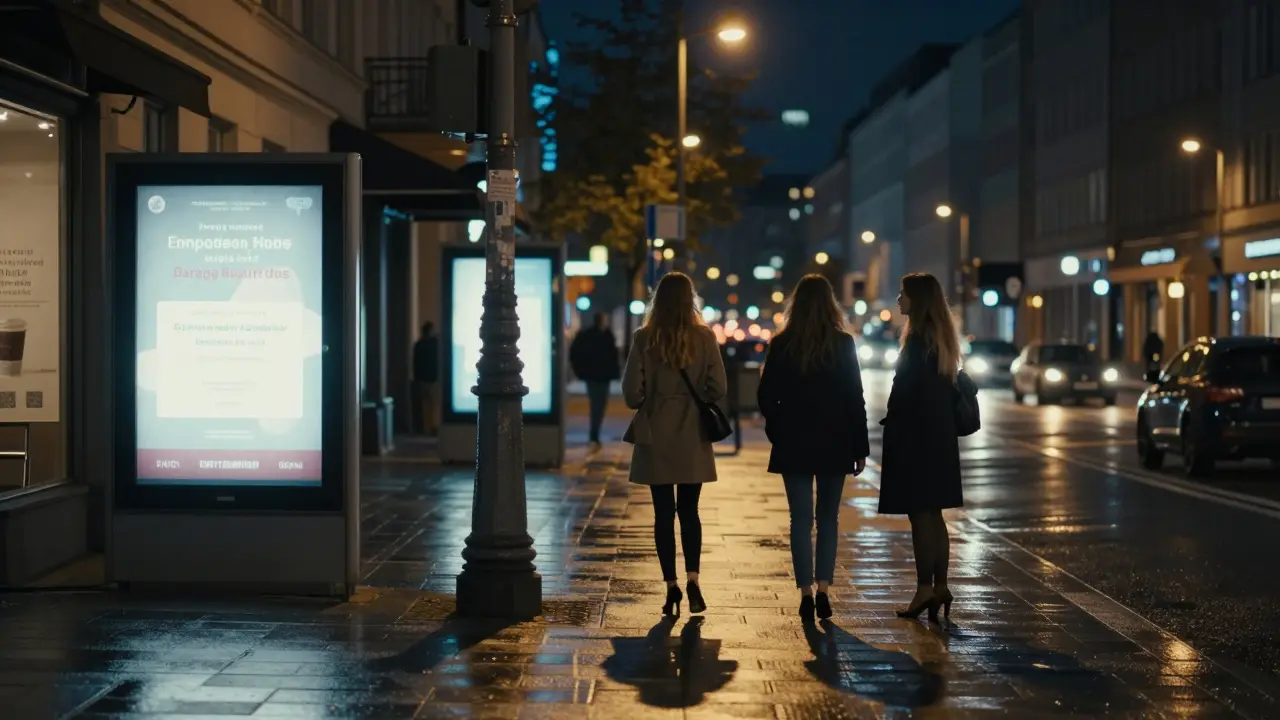
Walking through Berlin’s Mitte district at night, you might see women in heels standing under streetlights, men in suits talking quietly on phones, or ads for "companionship services" tucked between coffee shop flyers. It’s not a secret. But it’s not talked about openly either. The escort industry in Berlin operates in a gray zone-legal on paper, but shadowed by stigma, misinformation, and fear.
It’s Legal, But Not Simple
In Germany, prostitution has been legal since 2002 under the Prostitution Act. That means sex workers can sign contracts, pay taxes, and get health insurance. Escorts in Berlin aren’t criminals. They’re self-employed service providers. But legality doesn’t mean safety-or respect.
Most escorts work independently, using platforms like Cameo, OnlyFans, or private websites. Some rent rooms in designated "escort apartments" in neighborhoods like Kreuzberg or Charlottenburg. Others meet clients in hotels, often using booking apps that mask identities. There are no brothels like in Amsterdam. No red-light districts with windows. Berlin’s model is decentralized, quiet, and mostly digital.
According to a 2023 study by the Berlin Institute for Social Research, over 1,200 individuals listed themselves as active escorts in the city. About 60% were women, 30% men or non-binary, and 10% were international workers from Eastern Europe and Latin America. Many moved to Berlin because of its liberal laws, low cost of living compared to Munich or Frankfurt, and the city’s reputation for tolerance.
How It Actually Works
There’s no single way to be an escort in Berlin. The industry is fragmented. Some women start after losing a job, others because they enjoy the flexibility. A 29-year-old former teacher from Leipzig told me last year: "I make more in one weekend than I did in two weeks at the school. And I get to choose who I see. That’s power."
Typical rates range from €80 to €250 per hour, depending on experience, language skills, and appearance. English-speaking escorts often charge more-clients come from all over Europe and the U.S. Some offer only dinner and conversation. Others include sex. It’s all disclosed upfront.
Most clients are middle-aged professionals: businessmen, academics, divorced men. A few are younger, but they’re rare. The stereotype of the lonely American tourist? It’s outdated. Berlin’s escort clients are often locals who just want someone to talk to without judgment.
Booking is usually done via encrypted apps like Signal or Telegram. Payments are cash or bank transfer. No credit cards. No invoices. That’s by design. Workers avoid digital trails. Some use crypto wallets for extra anonymity. The goal isn’t to hide-it’s to stay safe.
The Real Risks
Legal doesn’t mean risk-free. The biggest dangers aren’t from the police-they’re from clients, isolation, and lack of support.
There are no unions. No workplace protections. If a client becomes violent, the worker can’t just call HR. They can call the police, but many don’t. Fear of being labeled a "prostitute" or having their identity leaked keeps them silent. In 2024, a Berlin nonprofit called Prostitution Support Network Berlin a nonprofit organization offering legal aid, health checks, and crisis counseling to sex workers in Berlin reported 147 cases of assault or coercion, but only 19 led to police reports.
Health is another concern. While many escorts get tested monthly for STIs, not all can afford it. Some work without insurance. Others rely on free clinics like the one run by the Berliner Aids-Hilfe a long-standing HIV and sexual health organization in Berlin that offers free testing and counseling to sex workers. They don’t ask for ID. They don’t judge. They just help.
Immigration status adds another layer. Many foreign escorts are on tourist visas. If they’re caught working, they could be deported. That’s why some avoid public spaces, never use their real names, and change apartments every few months.

Who’s Really in Charge?
Contrary to what you see in movies, there’s no organized crime controlling Berlin’s escort scene. No pimps. No human trafficking rings-those are rare and heavily prosecuted. What exists instead are freelance marketers: people who run Instagram pages or websites that list escorts. They take 15-30% of earnings for advertising, vetting, and scheduling.
These marketers aren’t bosses. They’re service providers. Some are former sex workers themselves. Others are tech-savvy students. One 24-year-old man in Neukölln runs a site called "Berlin Companions" and says his job is to filter out predators. "I ask for ID, check references, and ban anyone who’s rude or pushy," he told me. "If a client tries to record without consent, I blacklist them forever."
Platforms like OnlyFans and Patreon have changed the game. Many escorts now earn more from content than from in-person meetings. A woman in her 30s with 12,000 followers on Instagram makes €4,000 a month from subscriptions-far more than she ever made as a waitress.
The Stigma That Won’t Go Away
Even in a city known for its openness, sex workers face judgment. Landlords kick them out. Friends cut ties. Family members don’t speak to them. One escort, who asked to remain anonymous, said: "My brother won’t let his kids visit me. He says I’m a bad influence. But I pay his rent. I paid for his car."
Public perception is shaped by media. Headlines scream "human trafficking" or "sex slave rings." But the reality? Most workers are in control. They set their hours. They pick their clients. They quit when they want to.
Some leave after a year. Others stay for decades. One 52-year-old woman I met has been working since 2008. "I’m not broken," she said. "I’m just someone who found a way to survive on my own terms."

What Clients Really Want
Most clients aren’t looking for sex. They’re looking for connection. A 2022 survey by the Institute for Gender and Sexuality Studies a research group at Humboldt University that studies the social dynamics of sex work in Germany found that 68% of clients said emotional comfort was their primary reason for hiring an escort. Only 22% said sex was the main goal.
Men (and women) who feel lonely, isolated, or misunderstood turn to escorts. Not because they can’t find partners-but because they can’t find people who won’t judge them. One client, a 45-year-old engineer, said: "I don’t need a girlfriend. I need someone who listens without trying to fix me."
That’s the quiet truth behind the industry. It’s not about lust. It’s about loneliness in a city of millions.
Where It’s Headed
Berlin’s escort scene is evolving. More workers are going digital. More are unionizing informally through WhatsApp groups. Some are pushing for a city-funded support center-like the one in Hamburg-that offers free legal advice, mental health care, and safe housing.
Politicians talk about regulation, but most proposals focus on control, not care. A 2025 bill proposed requiring escorts to register with the city. Many workers fear it will lead to surveillance, not protection.
The future? It’s uncertain. But one thing is clear: as long as people feel alone, there will be someone willing to sit with them-no questions asked.
Is it legal to hire an escort in Berlin?
Yes. Prostitution has been legal in Germany since 2002. Escorts can work independently, sign contracts, pay taxes, and access healthcare. However, third-party exploitation (like pimping) remains illegal. Clients must ensure the worker is not being coerced or trafficked.
How do I find a legitimate escort in Berlin?
Legitimate escorts usually work through private websites, encrypted messaging apps, or platforms like OnlyFans. Avoid public street solicitations or unverified ads. Reputable workers provide clear profiles, set their own rates, and never pressure clients. Look for reviews from other clients and verify communication channels. If someone demands cash upfront or refuses to answer questions, walk away.
Are escorts in Berlin safe?
Safety depends on the individual and the precautions taken. Many escorts screen clients, meet in public places first, and use safety apps like "Escort Safety" to share location details. But risks exist-especially for those without support networks. Always trust your instincts. If something feels off, leave. No service is worth your safety.
Do escorts in Berlin get health checks?
Many do, but it’s not mandatory. Organizations like Berliner Aids-Hilfe offer free, confidential STI testing. Workers who prioritize health often get tested monthly. Clients should ask about testing history. Reputable escorts will provide proof or direct you to their health records. If they refuse, it’s a red flag.
Can I report abuse if I’m an escort in Berlin?
Yes. You can report violence or coercion to the police. However, many workers avoid it due to fear of stigma or immigration consequences. Nonprofits like Prostitution Support Network Berlin offer anonymous legal help and can guide you through reporting safely. You don’t need to be a citizen to get help.
Final Thoughts
The escort industry in Berlin isn’t glamorous. It’s not dangerous. It’s just human. People work. People pay. People connect. The system isn’t perfect-but it’s real. And it’s here to stay.
If you want to understand it, stop watching movies. Start listening. Talk to the workers. Read their stories. Support the organizations that help them. Because behind every ad, every profile, every quiet meeting in a hotel room-is someone trying to live their life on their own terms.