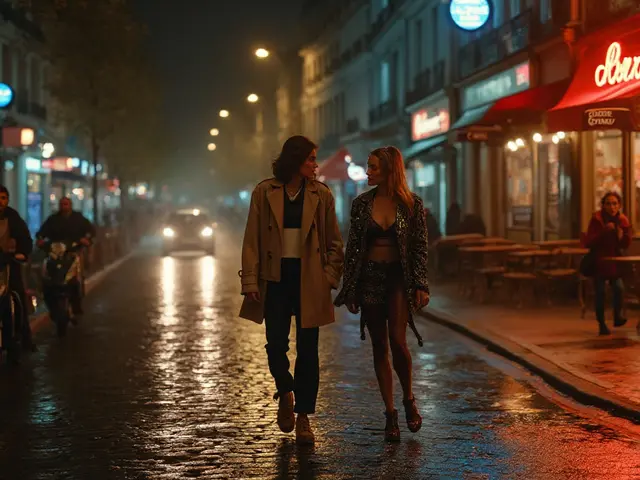
You arrive at 2 AM on a Friday, and suddenly you realize something important-most people have already been partying since midnight. Istanbul's nightclub scene is not just about dancing; it's about staying out until sunrise, sometimes until noon if you're feeling adventurous. The city doesn't sleep, and its clubs prove this every single night. If you've landed here looking for the best spots to experience Turkish nightlife culture properly, you've found your starting point.
Turkish clubs operate differently than anywhere else I've experienced. They combine European sophistication with Mediterranean warmth, plus that distinctive Middle Eastern energy that makes the whole thing feel electric. Venues range from intimate basement bars to massive arenas hosting international DJs who wouldn't normally book smaller markets. The prices vary wildly depending on location, and understanding these differences can save you hundreds of lira before you even enter a door.
The Three Main Party Districts You Need to Know
Istanbul's nightlife concentrates around three primary zones, each offering completely different vibes. You cannot navigate this without knowing where everything sits relative to public transit and your accommodation. Most tourists mistake Sultanahmet for the main party area, which is wrong-it's actually tourist traps and traditional restaurants there.
| Area | Vibe | Price Range | Transport Access |
|---|---|---|---|
| Beyoğlu (İstiklal) | International crowd, energetic | $40-100 entry | Taksim Metro, funicular, buses |
| Kadıköy (Moda/Göztepe) | Local, artistic, alternative | $20-60 entry | Ferry + walking, metro connection |
| Nisantasi/Basaksehir | Luxury, celebrity spotting | $80-200+ entry | Taxi required, metro nearby |
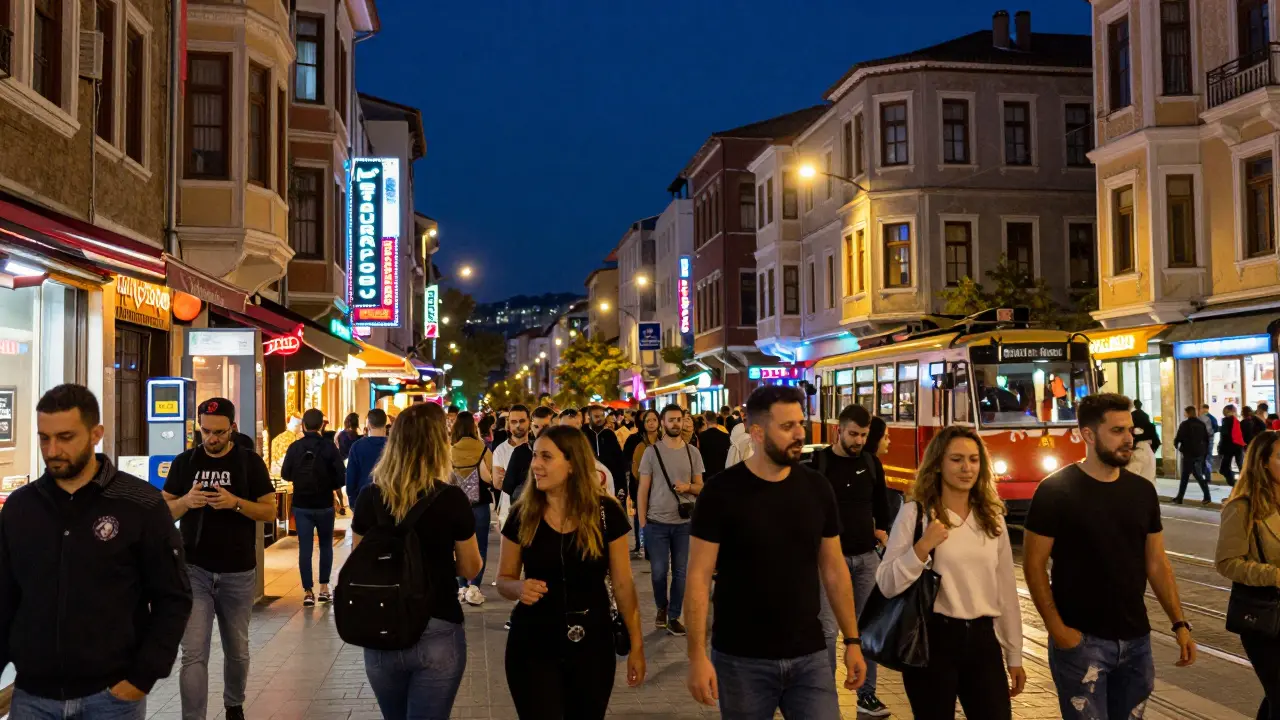
Beyoğlu remains the undisputed center for visitors seeking the classic clubbing experience. İstiklal Street itself is pedestrian-only and packed during weekends, creating a carnival atmosphere before you even reach individual venues. Bars spill onto sidewalks, security checks happen visibly, and the crowd mixes locals celebrating paychecks with travelers on their first Turkish adventure. This area offers the highest concentration of English-speaking staff, making navigation easier for newcomers.
Kadıköy tells a different story. Located on the Asian side, this district attracts Istanbul's creative types-artists, designers, university students, and people tired of Beyoğlu's commercialism. Music styles lean toward indie, electronic underground, and alternative rock rather than mainstream EDM. You'll hear more Turkish-language conversations here, though younger staff typically manage decent English. Taking the ferry across the Bosphorus feels like part of the experience anyway, especially when departing from Eminönü or Kabataş after sunset.
Nişantaşı represents luxury nightlife where business executives, celebrities, and wealthy locals gather. Reservations become mandatory, price tags climb into four figures per group, and dress codes enforce stricter standards. These venues offer VIP tables, bottle service minimums, and experiences resembling Miami Beach clubs rather than typical Turkish establishments. Unless special occasion warrants it, stick with Beyoğlu or Kadıköy for authentic local interaction.
Top Nightclubs by Style and Crowd Type
What defines "best" depends entirely on what you're searching for. A twenty-something solo traveler prioritizes affordable drinks and easy social connections, while couples celebrating anniversaries want romantic atmospheres and quality service. Here are the standout venues across different categories based on consistent performance through early 2026.
Crowd-Focused Mainstream Clubs
Ankara sits on Bağdat Caddesi and maintains reputation as one of Turkey's longest-running major venues. Capacity reaches approximately 2,500 people simultaneously, meaning you witness genuine energy buildup as nights progress. International DJs perform here regularly, booking happens months ahead during peak season (April through October), and guest appearances sometimes include surprise visits from regional stars.
Sakine's Bar provides smaller capacity within Beyoğlu, creating tighter community vibes compared to arena-style locations. Coverage spans alternative music genres alongside occasional mainstream performances. Entrance typically requires reservations during Friday and Saturday runs. Staff know regular patrons by name, suggesting strong repeat business from locals comfortable enough to skip tourist traps elsewhere.
Music-Specific Recommendations
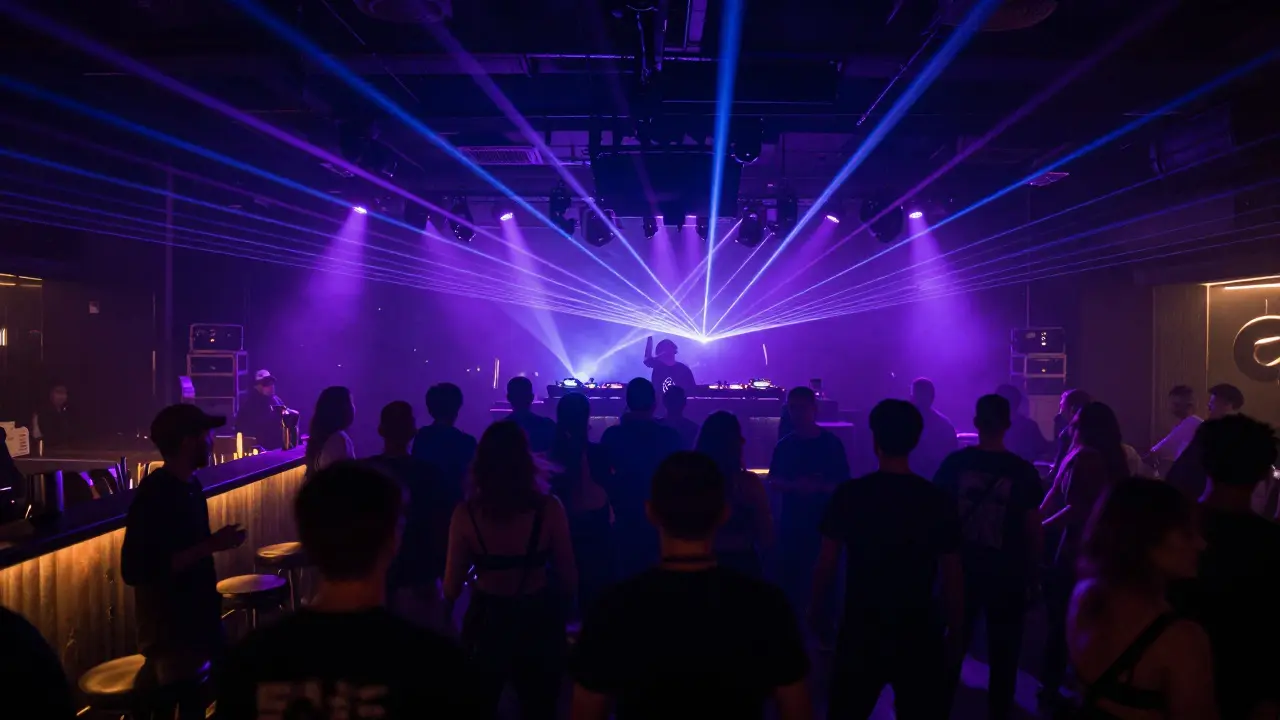
Electronic music lovers should prioritize Glow Club for house and techno programming. Venue design emphasizes sound system quality over visual spectacle, and resident DJs rotate through monthly residencies building audience recognition. Sound engineers maintain equipment professionally, preventing the distorted bass issues plaguing budget venues. Cover charges stay reasonable at $30-50 including initial drink credits.
Hip-hop enthusiasts find home at Oda, located near Karaköy's warehouse conversions. Underground rappers perform alongside established names from TRAP and R&B scenes developing in Istanbul's independent music ecosystem. Capacity stays limited around 300 attendees, preserving intimacy while maintaining legitimate production values. Advance ticket purchase through official platforms prevents disappointment during sold-out shows.
Rooftop Experience Options
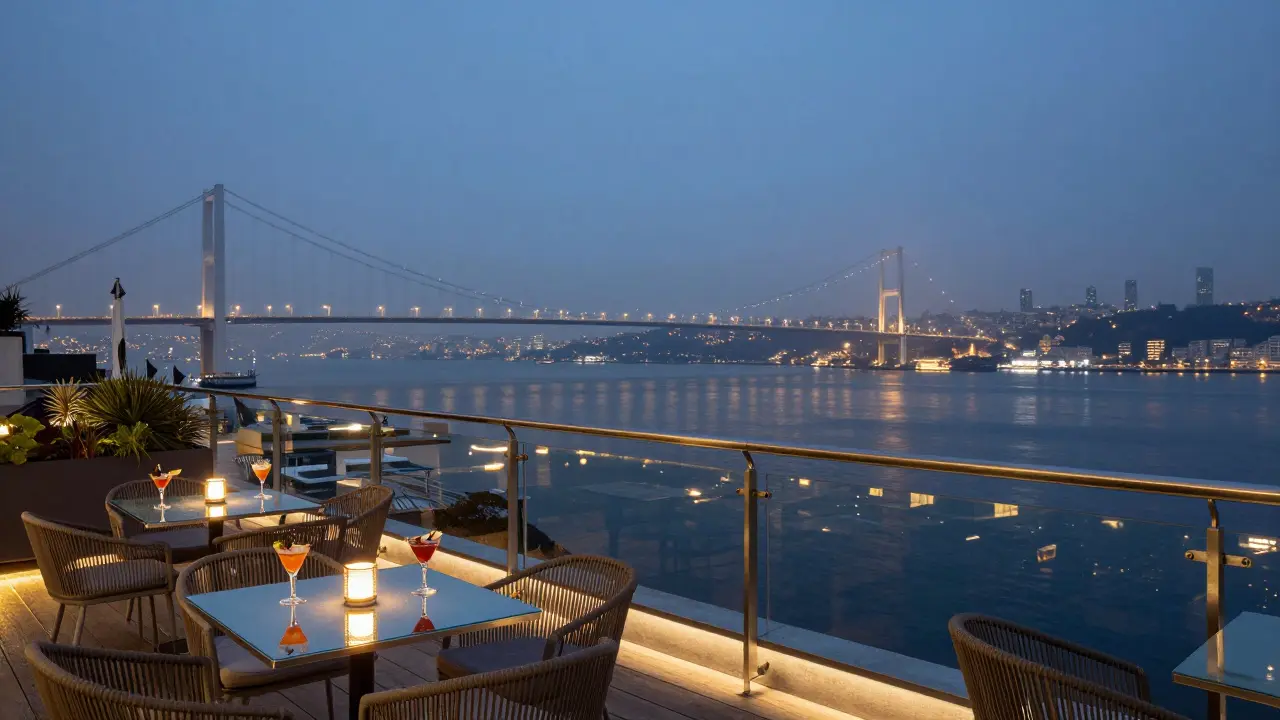
Terrace venues overlooking Bosphorus bridges create memorable evenings combining views with entertainment. These spaces function particularly well during May through September weather windows when outdoor conditions remain reliable. Booking window seats matters significantly, as standard seating may lack visibility angles depending on structure design.
Lucky Strike Billiards operates rooftop extensions serving cocktail menus alongside pool games. While primarily functioning as billiard hall during daytime hours, evening transformations activate DJ rotations and seated areas overlooking city lights. Dress code leans toward smart casual rather than full formal wear, allowing relaxed approachability.
Understanding Pricing Structure and Entry Requirements
Istanbul clubs implement multiple payment approaches confusing first-time visitors. Understanding these systems prevents surprises when reaching cashier counters late evening. Basic patterns include entrance fees covering either pure access or access plus drink vouchers valid for fixed amounts.
Tuesday through Thursday operations often feature discounted entry ranging between $15-30 including two beverages valued at approximately $45 total. Weekend operations shift dramatically-Friday and Saturday cover charges climb to $50-120 depending on venue tier, with drinks priced separately averaging $8-15 per item. Premium bottles command additional markups potentially doubling base list prices.
Dress enforcement varies widely. Traditional venues require collared shirts, shoes, no shorts for males, presenting challenges during hot August days when nobody planned formal attire. Modern alternatives accept smart casual standards-clean jeans, sneakers, polos work fine while beachwear gets rejected outright. Female guests enjoy flexibility depending on establishment positioning, though showing skin beyond tasteful boundaries risks denial regardless of gender.
Payment methods matter significantly. Credit card acceptance exists universally at larger venues, though some smaller clubs prefer cash transactions only. ATM availability nearby helps recovery situations when digital processing fails unexpectedly. Carry backup currency converting easily to Turkish Lira without excessive exchange losses.
Transportation, Timing, and Safety Considerations
Getting around after midnight becomes complicated once alcohol consumption begins affecting coordination skills. Public transit options thin considerably past 1 AM, requiring advance planning for return trips. Taksim Square serves as central hub connecting multiple metro lines, though last trains depart around 1 AM weekdays extending to 2:30 AM Fridays and Saturdays.
- Plan destination selection BEFORE leaving hotel room
- Confirm operating hours match visit date
- Calculate transportation costs returning home safely
- Share itinerary with trusted contact person
- Keep emergency numbers accessible on phone
Taxi services through established apps cost predictably compared to random street hails. Official taxis display meter settings clearly, ride-hailing alternatives provide upfront pricing estimates. Average rides from Beyoğlu center back to major hotels range $15-30 depending on distance and traffic conditions. Avoid accepting rides from unsolicited offers inside venues themselves.
Safety standards improve significantly when avoiding unlit alleys alone late evening. Walking groups reduce vulnerability substantially compared to solitary movement through deserted passages. Police presence increases visible monitoring during peak hours around popular gathering points. Emergency contacts worth saving include tourism police hotline responding multilingually, hospital locations with English-speaking staff capabilities.
Seasonal Patterns and Reservation Strategies
Istanbul nightlife follows predictable seasonal patterns affecting venue availability, pricing structures, and overall atmosphere characteristics. Summer months transform entire operation schedules as temperatures demand outdoor space utilization. Indoor heating periods November through February concentrate activity indoors, reducing competition among venues sharing overlapping customer bases.
Reserving table arrangements weeks ahead guarantees entry certainty during busy periods. Walk-in attempts frequently fail during high-demand nights, wasting valuable evening time wandering empty streets instead enjoying planned entertainment. Contacting venues directly through official channels provides confirmed availability status before committing transportation budgets.
Covered events calendars publish upcoming lineups publicly online, showing DJ schedules, guest appearances, and themed parties occurring throughout monthly cycles. Checking these resources beforehand maximizes likelihood discovering performances matching personal music preferences specifically.
What time do Istanbul nightclubs open?
Most venues officially open around 10 PM but don't reach full capacity until midnight or later. Turkish culture embraces late nights naturally, so expect crowds peaking between 1 AM and 3 AM on weekend evenings. Early arrivals might experience quieter environments better suited for pre-party drinks rather than main dance floor action.
Do I need reservations to enter clubs?
Table reservations guarantee priority entry and comfortable seating areas, though general admission sometimes allows walk-ins during off-peak times. Weekdays offer flexible access without advance booking requirements, while Friday and Saturday weekends strongly recommend securing spots days beforehand during spring through autumn seasons.
What's the typical clothing requirement?
Smart casual works for most modern venues-nice jeans, button-down shirts, clean sneakers acceptable. Luxury locations enforce stricter dress codes requiring collared shirts, leather shoes, no athletic footwear. Always check specific venue guidelines before arrival to avoid embarrassment at doors rejecting casual beachwear or overly informal combinations.
How much should I budget per night?
Budget expectations range widely from $30 minimum covering basic entry plus couple drinks at mid-tier venues, upward to $200+ per person at premium establishments with table reservations. Plan conservatively around $80-150 per head assuming moderate drinking habits mixed with standard venue selections. Budget-friendly options exist in Kadıköy specifically keeping costs lower than Beyoğlu counterparts.
Are English-speaking staff common?
Major venues employ fluent English speakers across front-of-house operations including hostess teams, bartenders, and security personnel. Smaller alternative clubs depend more heavily on Turkish communication, though younger staff members typically manage sufficient basics for transaction completion. Learning greeting phrases enhances experience significantly regardless of language capability levels.
Can I bring friends together without reservations?
Group sizes exceeding six people trigger mandatory reservation requirements at many locations. Individual ticket purchases work for pairs or trios entering standard queues, but larger gatherings benefit advance arrangement preventing split separations during crowded periods. Coordination matters significantly-arriving scattered increases complication possibilities unnecessarily.