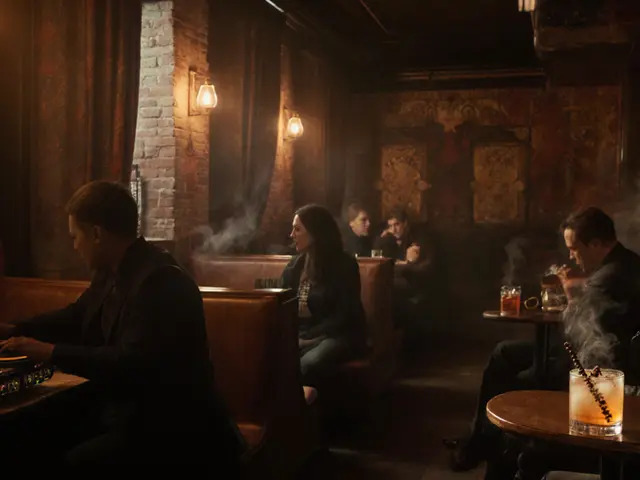
There is a certain magic to Paris that goes beyond the croissants and the Eiffel Tower. It is found in the way people connect, the subtle dance of conversation, and the unspoken rules of charm. When we talk about the Paris Escort Industry is a sector focused on high-end companionship and social presence rather than just physical interaction, we are often looking at a masterclass in human psychology. Many people assume this world is purely transactional, but the most successful professionals treat it as an art form. They understand that true seduction is about making someone feel seen, heard, and valued.
Understanding the Role of Modern Companionship
To learn from the top tier of this field, you first have to strip away the stereotypes. The role of a high-end companion in Paris is less about what happens in a bedroom and more about what happens at the dinner table or the gallery opening. It is about Companionship is the act of providing social support, conversation, and presence for clients in various social settings. A captivating escort acts as a mirror, reflecting the best parts of their client back to them while adding their own unique flavor to the interaction.
Think of it like a high-stakes game of tennis. You don't just hit the ball back; you place it strategically. You anticipate the next move. In this context, the "ball" is attention and emotion. The goal isn't to dominate the conversation but to guide it so that both parties leave feeling energized. This requires a deep understanding of social cues and the ability to adapt instantly to the mood of the room.
The Psychology of Attraction and Emotional Intelligence
At the core of seduction lies Emotional Intelligence is the ability to recognize, understand, and manage your own emotions and the emotions of others. This is the secret weapon of the most captivating individuals. It isn't about memorizing pickup lines or wearing the perfect dress. It is about reading the room. Can you tell when someone is bored? Can you sense when they are seeking validation or simply a listening ear?
Consider a scenario where a client is nervous about an upcoming business deal. A skilled companion doesn't just distract them; they validate their feelings. They might say, "It makes sense you're feeling pressure; that deal is significant." This simple acknowledgment builds a bridge of trust. It shows you are present. In Paris, where social interactions can be formal, this level of genuine connection stands out. It transforms a hired interaction into a memorable human experience.
Furthermore, emotional intelligence involves regulating your own energy. If you are anxious, the client feels it. If you are confident, they relax. This is why preparation is key. Before meeting, professionals often visualize the interaction, setting their own internal state to one of calm assurance. They know that confidence is contagious.
Mastering Conversation and Storytelling
Conversation is the primary tool of the trade. But not just any conversation works. You need Conversation Skills is the ability to engage others through active listening, asking open-ended questions, and sharing relevant personal anecdotes. The best companions are excellent listeners. They ask questions that invite stories rather than yes-or-no answers. Instead of "Did you like the movie?" they ask "What was your favorite scene and why?"
Storytelling is equally important. You don't need to be a novelist, but you need to be able to craft a narrative that draws people in. This involves pacing, detail, and emotional resonance. When you share a story, make it relatable. If you are talking about travel, focus on the feeling of the moment, not just the itinerary. This draws the listener into your world, creating a shared intimacy.
There is also the art of silence. In a noisy city like Paris, silence can be powerful. A well-timed pause after a question shows you are thinking about their answer. It gives weight to the conversation. It prevents the interaction from feeling like an interrogation. Silence allows the other person to fill the space, often revealing more than they intended.
Body Language and Non-Verbal Communication
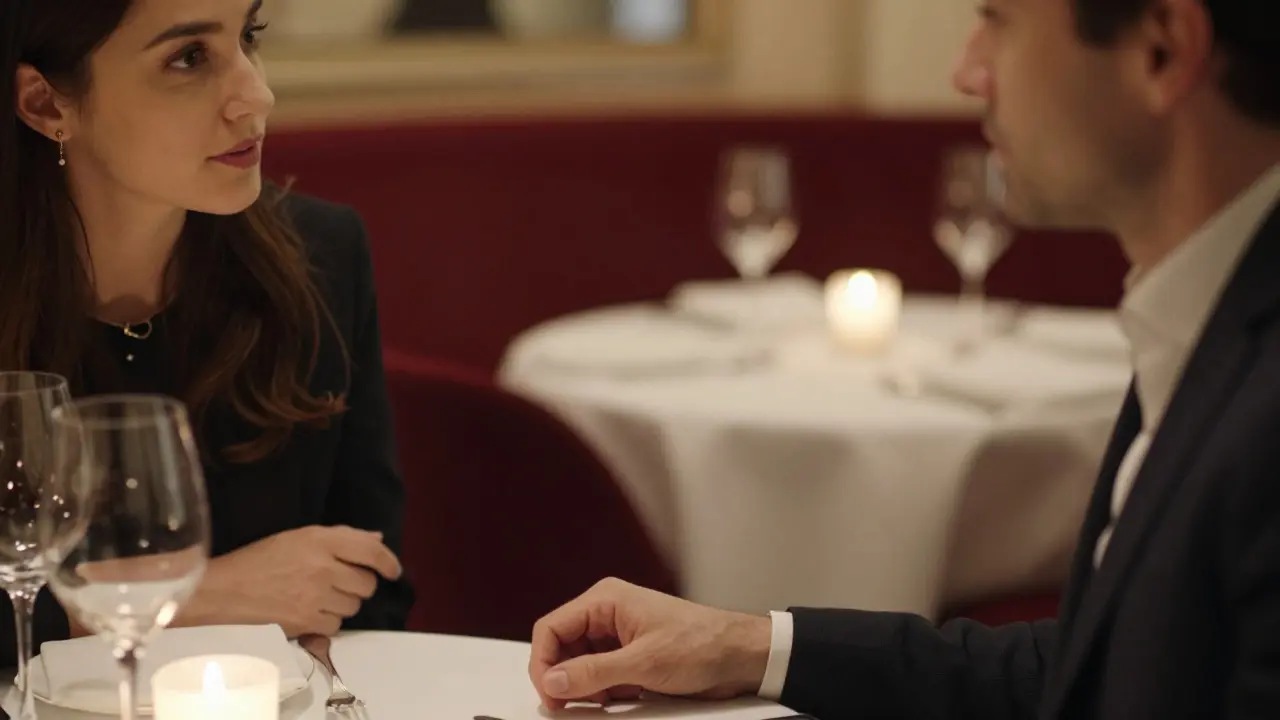
Words only make up a small fraction of communication. The rest is in your body. Body Language is the non-verbal signals we send through posture, gestures, eye contact, and facial expressions. In the world of high-end companionship, this is scrutinized. Standing with your shoulders back signals confidence. Leaning in slightly shows interest. Maintaining eye contact, without staring, creates a connection.
Touch is another layer, but it must be handled with extreme care. A light touch on the arm during a laugh can break down barriers, but only if the timing is right. It should feel natural, not forced. In Parisian culture, physical contact is often more common than in other places, but consent is still the golden rule. You must read the signals. If someone pulls back, you respect that boundary immediately.
Posture also plays a role. Slouching suggests disinterest. Sitting upright suggests you are engaged. Even the way you hold a glass of wine can speak volumes. It is about projecting an aura of ease. You want to look like you belong in the room, whether it is a Michelin-star restaurant or a private club. This ease makes the client feel comfortable, lowering their defenses.
Etiquette in Parisian Social Settings
Paris has its own rhythm and rules. Parisian Nightlife is the social scene involving bars, clubs, and events that define the city's evening culture. To navigate this successfully, you need to understand the etiquette. Punctuality is respected, but being fashionably late is sometimes acceptable depending on the venue. Dress codes are often stricter than in other cities. You might not need a tuxedo, but you should never be underdressed.
Knowledge of the local scene is a huge asset. Knowing which wine pairs best with the meal, or which gallery is having a quiet opening, shows sophistication. It positions you as an expert guide. Clients often hire companions because they want to experience the city through a local lens. You become the bridge between them and the culture.
Respect for the venue staff is also part of the equation. How you treat the waiter reflects on your character. Being polite and gracious to service staff shows that your confidence isn't dependent on who is watching. It is an intrinsic quality. This observation often goes unnoticed by the client, but it builds your reputation within the industry.

Setting Boundaries and Maintaining Safety
While we discuss seduction and charm, safety and boundaries are non-negotiable. The most captivating professionals know that Boundaries is the limits you set on what you are willing to do or accept in an interaction to protect your well-being are essential for a healthy dynamic. You can be charming without compromising your safety. Clear communication about expectations prevents misunderstandings.
This means knowing when to say no. If a request crosses a line, you decline it gracefully but firmly. You don't need to apologize for protecting your space. In fact, having strong boundaries often increases attraction. It shows you value yourself. It adds a layer of mystery and respect that cheapens nothing.
Safety also involves logistics. Meeting in public places first, letting a friend know your schedule, and having an exit strategy are standard practices. These aren't signs of paranoia; they are signs of professionalism. A client who respects you will respect these measures. If they don't, they are not a good fit.
| Skill | Importance | Application |
|---|---|---|
| Emotional Intelligence | High | Reading moods, validating feelings |
| Conversation Skills | High | Active listening, storytelling |
| Body Language | Medium | Posture, eye contact, touch |
| Etiquette | Medium | Dress code, punctuality, venue respect |
| Boundaries | Critical | Safety, consent, self-respect |
Building Confidence and Self-Assurance
Finally, none of this works without Confidence is the belief in your own abilities and worth, which projects security to others. Confidence isn't arrogance. Arrogance pushes people away; confidence pulls them in. It is the quiet knowledge that you are enough. You don't need to prove anything to anyone.
This comes from self-care. When you feel good physically and mentally, it shows. It is not about being perfect; it is about being comfortable in your own skin. If you are insecure, you will seek validation from the client. If you are confident, you offer validation to them. This shift in dynamic is what makes the interaction special. It becomes a partnership rather than a service.
Practice is the only way to build this. Treat every social interaction as a chance to learn. Talk to strangers, practice listening, observe how others react. Over time, these skills become second nature. You stop thinking about the technique and start focusing on the connection. That is when the magic happens.
Frequently Asked Questions
What is the difference between an escort and a companion?
While the terms are often used interchangeably, a companion typically focuses on social events, conversation, and company, whereas an escort may imply a broader range of services. In high-end circles, the focus is on the social experience and emotional connection rather than purely physical aspects.
How important is language fluency in Paris?
French is highly valued in Paris. While many locals speak English, being fluent in French shows respect for the culture and allows for deeper, more nuanced conversations. It opens doors to venues and interactions that might otherwise remain closed.
Can anyone learn the art of seduction?
Yes, seduction is a set of skills involving communication, empathy, and confidence. While some people are naturally charismatic, the underlying principles can be learned and practiced by anyone willing to invest time in self-improvement.
What are the biggest mistakes to avoid?
Common mistakes include talking too much, ignoring boundaries, being underdressed, or appearing desperate for approval. Authenticity and respect are key; trying too hard to impress often backfires.
Is safety a concern for professionals?
Safety is a top priority. Professionals use screening processes, meet in public first, and maintain strict boundaries. Trusting your instincts and having a safety plan are essential parts of working in this industry.
Ultimately, the lessons from the most captivating individuals in Paris are universal. They teach us that connection is the most valuable currency we have. Whether you are in the industry or simply looking to improve your social life, the principles remain the same. Listen more, speak less, respect boundaries, and always be present. That is the true art of seduction.