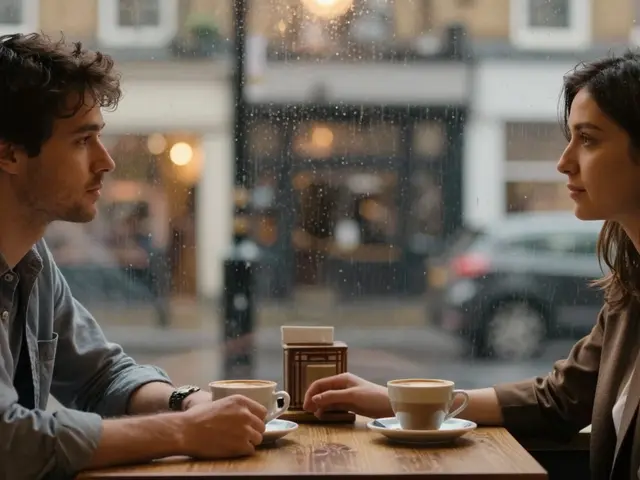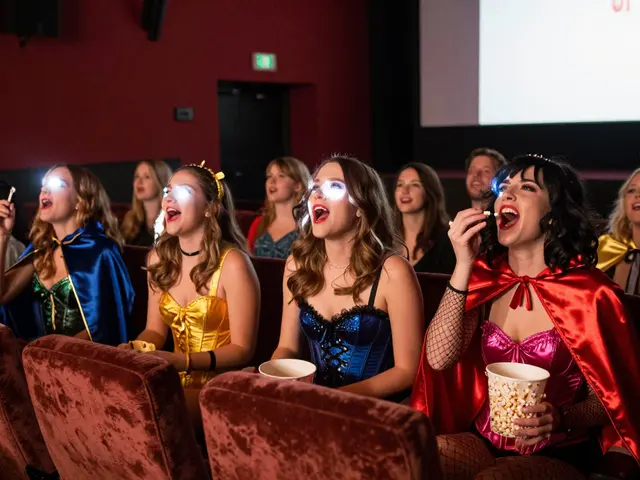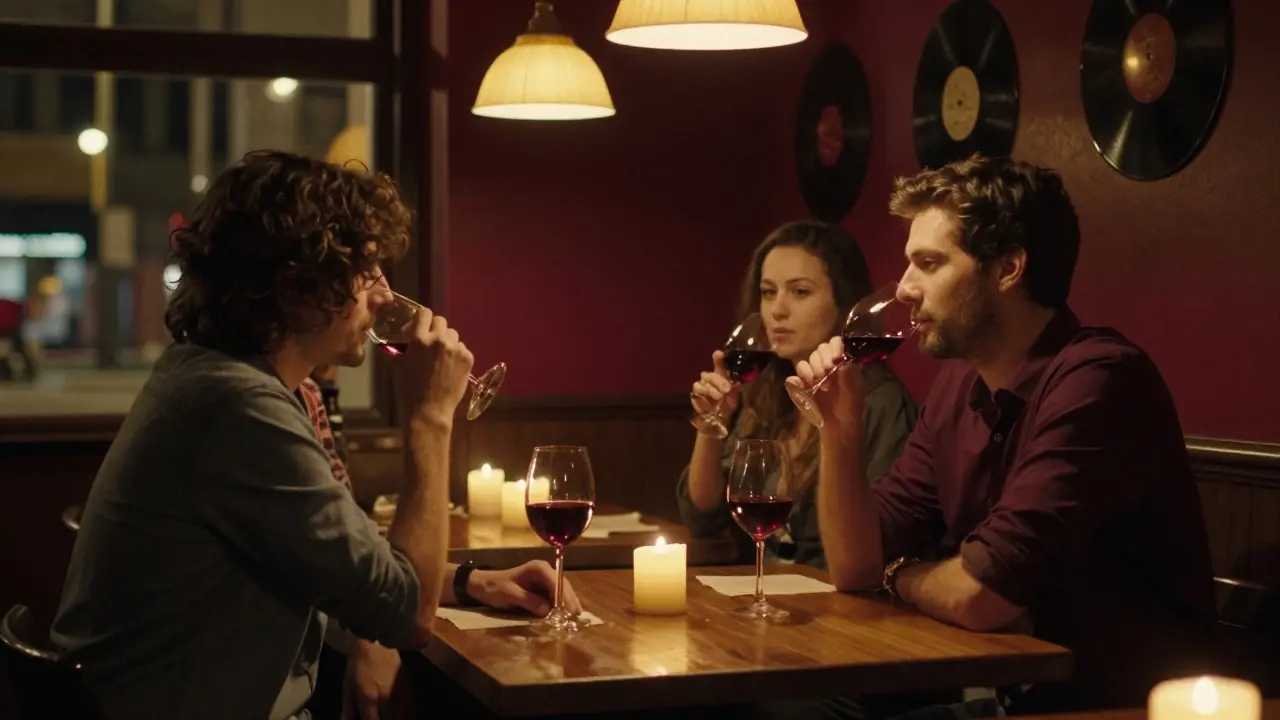
Milan doesn’t sleep when the sun goes down. While most people think of fashion shows and luxury boutiques when they hear the name, the real pulse of the city beats after dark. Forget quiet evenings and early bedtimes-Milan’s nightlife is loud, stylish, and never boring. Whether you’re into underground techno, rooftop cocktails, or Italian-style aperitivo parties, the city has a spot waiting for you.
Where the locals go: Navigating Milan’s Neighborhoods
Not all of Milan’s nightlife is the same. Each neighborhood has its own vibe, and knowing where to go makes all the difference. Milan isn’t one scene-it’s five different ones.
Brera is the romantic heart of the night. Think candlelit bars, live jazz, and wine bars where people linger over glasses of Barolo until 2 a.m. It’s perfect if you want to talk, not dance. The area around Via Brera and Via Fiori Chiari is packed with small, intimate venues that feel more like a friend’s living room than a nightclub.
Zona Tortona is where the cool kids go. This former industrial zone turned design district is home to pop-up clubs, art galleries that turn into dance floors, and underground parties that start at midnight and end at dawn. If you hear about a secret party in an old warehouse, chances are it’s here. No flyers. No website. Just a WhatsApp group and a password.
Porta Nuova is sleek, modern, and expensive. This is where Milan’s elite unwind after work. Think minimalist lounges, mixologists crafting cocktails with local herbs, and rooftop bars with skyline views. If you’re dressed to impress and want to sip champagne while watching the city lights, this is your zone.
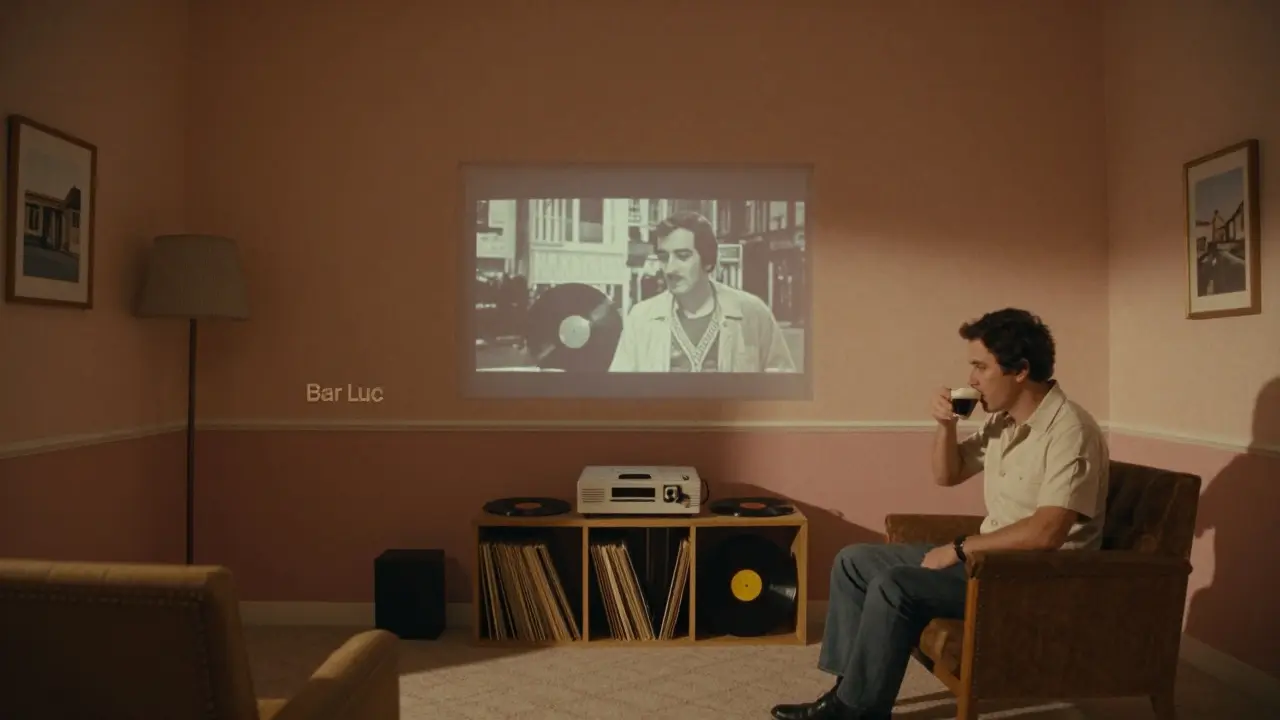
Isola is the gritty, authentic alternative. Once a forgotten neighborhood, it’s now a hotspot for young creatives, expats, and students. You’ll find cheap beer, vinyl-only DJs, and bars that don’t even have a name on the door. The best spot? Bar Luce is a retro-style bar designed by Wes Anderson, where you can drink espresso and watch old Italian films on a loop.
Corso Como is the hybrid. It’s a restaurant by day, a club by night. The crowd here is a mix of models, artists, and old-money Milanese. The music shifts from indie rock to house as the night goes on. If you want to see Milan’s social hierarchy in one place, this is it.
The Aperitivo Ritual: More Than Just Drinks
Before the clubbing starts, Milanese nightlife begins with aperitivo. It’s not just happy hour-it’s a cultural institution. Between 6 p.m. and 9 p.m., bars across the city offer drink specials that come with a full buffet. You pay €12-€18, and you get unlimited access to snacks: bruschetta, crostini, mini lasagna, cheese platters, even fried arancini.
Some spots take it further. Terrazza Aperol is a legendary rooftop bar on Piazza XXV Aprile where the aperitivo buffet includes lobster rolls and truffle tartlets. Others, like Bar Basso is the birthplace of the Negroni Sbagliato-a cocktail so famous, it’s now served in New York and Tokyo.
The key? Go early. If you show up at 8:30, you’ll be elbow-to-elbow with a hundred others. Arrive at 6:30, and you’ll have a seat, a plate, and time to actually enjoy it.
Top Clubs: Where the Music Gets Loud
Milan’s club scene is split between high-end lounges and raw underground spots. Here are the ones that actually matter.
La Scala is not the opera house-it’s a former theater turned into a club that plays house and techno. The sound system is one of the best in Europe, and the crowd is serious about the music. No tourists. No VIP tables. Just pure dancefloor energy.
Magazzini Generali is a massive warehouse complex that hosts parties every weekend. On Fridays, it’s electronic. On Saturdays, it’s hip-hop and R&B. On Sundays, it’s a chill reggae and dub session. The space is huge-think 3,000 people, three dance rooms, and a rooftop garden.
Clubs 12 is a tiny, hidden spot under a bridge near the Navigli canal. You need to know someone to get in. No sign. No website. Just a red door and a bouncer who asks, "Do you have the playlist?" If you say yes, you’re in. The music? Rare vinyl-only disco from the ’80s.
Le Scimmie is a bar that turns into a club after midnight. It’s loud, chaotic, and fun. The crowd is young, local, and not afraid to dance. The playlist? A wild mix of Italian pop, Afrobeats, and 90s Eurodance. It’s the most authentic party in the city.

When to Go: Timing Matters
Milan doesn’t start late. Most people don’t even get to the club until after midnight. If you show up at 10 p.m., you’ll be the only one there. The real energy kicks in between 1 a.m. and 3 a.m. That’s when the dancefloors fill, the drinks get stronger, and the music turns up.
Weekends are packed. Friday and Saturday nights are the busiest. Sunday is surprisingly good-many clubs host chill, low-key sessions that end by 2 a.m. It’s perfect if you want to party without the chaos.
Don’t forget the dress code. Milanese clubs are strict. No sneakers. No hoodies. No shorts. Think smart casual: dark jeans, a nice shirt, and leather shoes. If you look like you just rolled out of bed, you won’t get in.
What to Expect: Culture, Not Chaos
Milan’s nightlife isn’t about wild parties or rowdy crowds. It’s about style, rhythm, and connection. People here don’t go out to get drunk-they go out to feel alive. You’ll see couples slow-dancing in the corner, friends arguing over which song to play next, strangers bonding over a shared love of a rare track.
There’s no bouncer yelling. No overpriced bottle service. No fake VIP sections. The vibe is real. And that’s what makes it unforgettable.
Pro Tips for Your Night Out
- Download Eventbrite or Facebook Events-many underground parties are only advertised there.
- Use the metro. Taxis are expensive and hard to find after midnight.
- Carry ID. Even if you look 25, they’ll ask for it.
- Learn a few Italian phrases. "Un’altra birra, per favore" goes a long way.
- Try the local beer: Peroni is everywhere, but Birra del Borgo is the craft favorite.
What Not to Do
- Don’t wear flip-flops. Ever.
- Don’t try to haggle over drink prices. Milanese bars don’t do discounts.
- Don’t assume everyone speaks English. Most do, but they’ll appreciate you trying Italian.
- Don’t rush. Nightlife here is a slow burn, not a sprint.
Is Milan nightlife safe at night?
Yes, Milan is one of the safest major European cities at night. The streets are well-lit, and police patrols are common in nightlife zones. Stick to popular areas like Isola, Corso Como, and Porta Nuova. Avoid poorly lit alleys near the train station after midnight. As with any city, keep your valuables secure and avoid flashing cash.
What’s the best time to start a night out in Milan?
Start with aperitivo around 7 p.m. Then head to a bar for drinks at 9 p.m. Most clubs don’t get busy until after midnight. The real party starts between 1 a.m. and 3 a.m., and ends around 5 a.m. on weekends. Sunday nights are quieter and end by 2 a.m.
Do I need to book tickets for clubs in Milan?
For big clubs like Magazzini Generali or La Scala, yes-especially on weekends. You can buy tickets online through their websites or Eventbrite. For smaller bars and underground spots, no tickets are needed. Just show up. Some places have guest lists, so if you know someone who’s going, ask them to add you.
Are there any free nightlife events in Milan?
Yes. Many bars in Isola and Zona Tortona host free entry nights on Wednesdays and Sundays. Art galleries in Brera often turn into pop-up clubs with no cover charge. Check local listings on Time Out Milan or Extraborgo-they list free events weekly. Also, look for "aperitivo con musica"-live music paired with the aperitivo buffet, usually under €15.
What’s the difference between Milan and Rome’s nightlife?
Rome’s nightlife is more spread out, chaotic, and tourist-heavy. Milan’s is tighter, more curated, and deeply local. In Rome, you’ll find 20-year-olds partying until sunrise in open-air clubs. In Milan, you’ll find 30-somethings dancing in dimly lit rooms with world-class sound systems. Milan cares about quality-Rome cares about quantity.
Final Thought: It’s Not Just a Night Out
Milan’s nightlife isn’t about checking boxes or taking photos for Instagram. It’s about feeling the rhythm of a city that refuses to be ordinary. Whether you’re sipping a Negroni in a 1920s bar or dancing to a forgotten disco track in a warehouse, you’re part of something real. Don’t just visit the clubs. Live in them.