Paris isn’t just about the Eiffel Tower and croissants. By night, the city transforms into one of Europe’s most vibrant hubs for LGBT+ nightlife. Whether you’re looking for a cozy wine bar with drag performers, a pulsing dance club, or a quiet lounge where you can talk without fear, Paris has it. And unlike some cities where queer spaces are hidden or shrinking, Paris’s LGBT+ scene is open, diverse, and thriving - with venues that have been around for decades and new ones popping up every year.
Where to Start: Le Marais
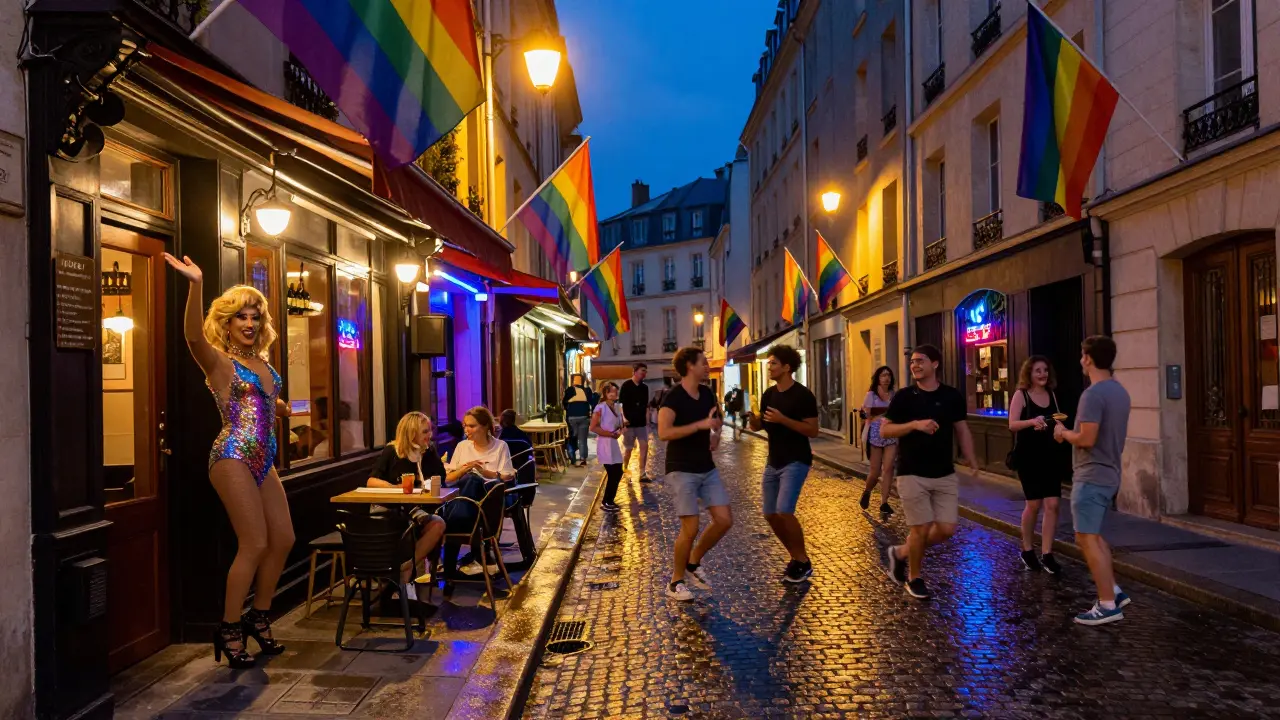
Le Marais is the heart of Parisian LGBT+ life. This historic neighborhood, once home to aristocrats and now filled with boutique shops and cafés, is also where you’ll find the highest concentration of queer bars and clubs. Walk down Rue des Rosiers or Rue Sainte-Croix-de-la-Bretonnerie after dark, and you’ll see rainbow flags, mixed crowds, and people dancing on sidewalks.
Le Palace is a legend. Opened in 1978, it started as a disco and became a safe haven during the AIDS crisis. Today, it’s a multi-level venue with themed nights - from techno to cabaret. You might catch a drag queen lip-syncing to Madonna one night and a queer punk band the next. It’s not fancy, but it’s real.
Just around the corner, Le Clos des Muses is quieter, more intimate. Think candlelight, vinyl records, and a crowd that prefers conversation over dancing. It’s a favorite among older locals and tourists who want to avoid the noise. The bartenders know your name by the third visit.
For the Dancers: The Clubs That Never Sleep
If you’re here to move, head to La Cigale in the 18th arrondissement. It’s not exclusively LGBT+, but its weekly Lesbians on the Dancefloor night draws crowds from across the city. The music is loud, the energy is electric, and the crowd is mostly women - lesbians, bisexuals, and allies, all in one space.
For men, Le Baron is the place. It’s upscale, dark, and a little mysterious. You might spot a celebrity or two, but the vibe isn’t about fame - it’s about freedom. The DJs spin house, disco, and remixes of French pop. The crowd? Young, stylish, and unafraid to be themselves.
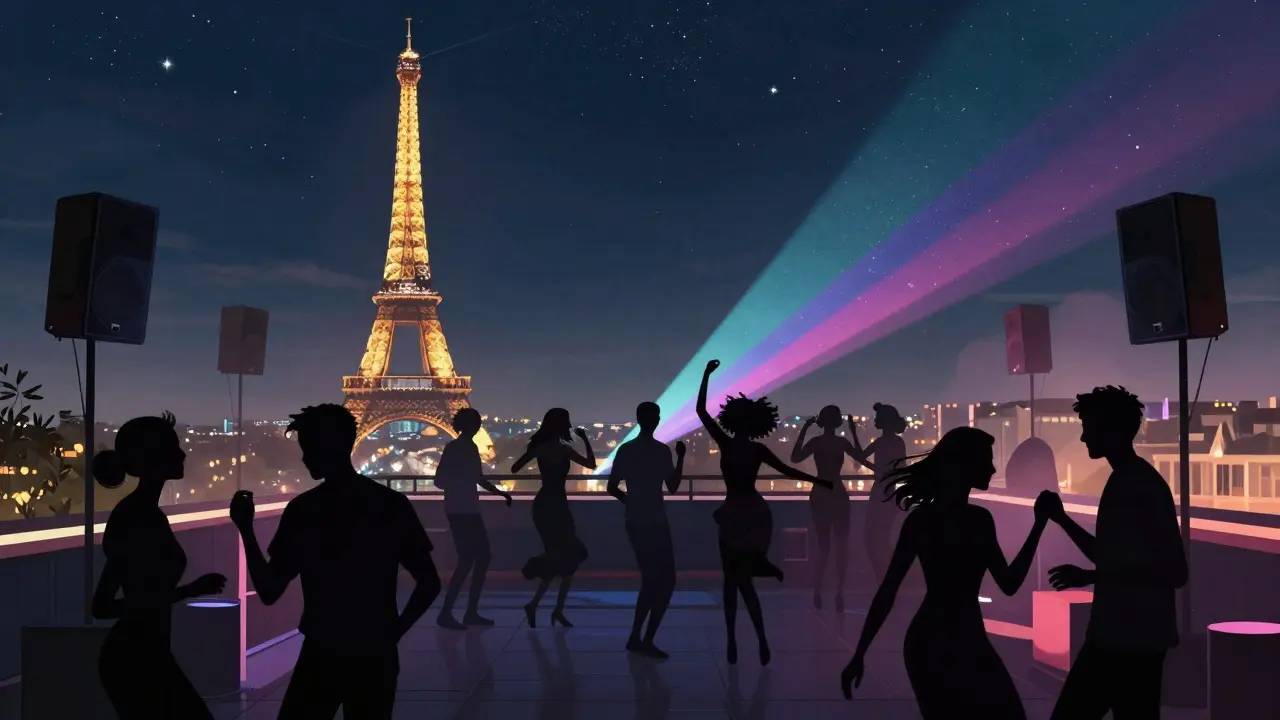
And then there’s Le Ciel - a rooftop club with panoramic views of the city. It’s open on weekends and has a reputation for being one of the most inclusive spaces in Paris. No dress code. No judgment. Just good beats and a skyline that makes you forget where you are.
Lesbian and Queer Women Spaces
While many assume Paris’s queer scene is male-dominated, women have been shaping it for decades. La Belle Équipe in the 11th arrondissement is a bar that feels like a living room. It’s run by a group of queer women, and the walls are covered in art from local lesbian artists. They host poetry readings, feminist film nights, and open mic events. It’s not a club - it’s a community.
For dancing, La Vapeur is the go-to. It’s hidden in a former train station, and the vibe is raw, real, and rebellious. The music leans toward punk, electroclash, and underground beats. The crowd? Mostly women and nonbinary folks, all dancing like no one’s watching - because no one is.
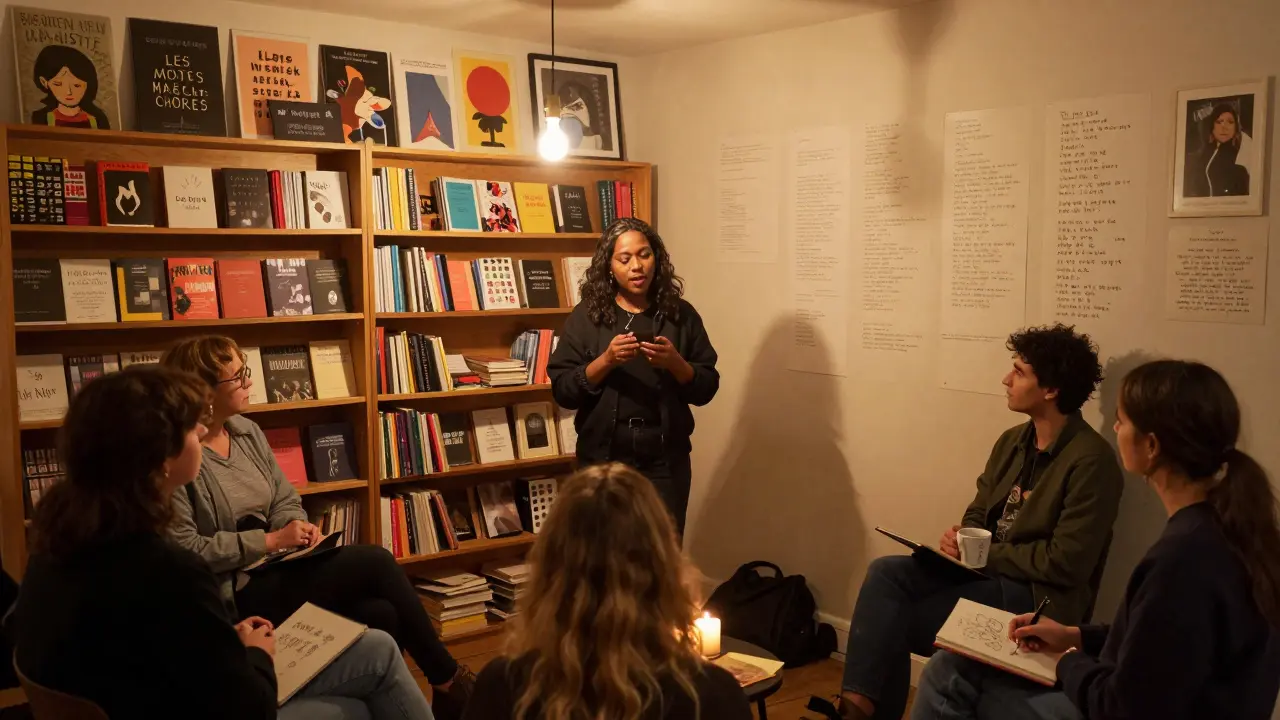
Don’t miss Les Mots et les Choses, a feminist bookstore by day and queer poetry slam by night. It’s tiny, but its influence is huge. You’ll find zines, pamphlets, and sometimes a surprise performance by a local trans poet.
Trans and Nonbinary Inclusion
Paris has made strides in trans visibility, and its nightlife reflects that. Le Refuge isn’t a bar - it’s a nonprofit center that hosts weekly social events for trans and nonbinary people. They organize movie nights, art exhibitions, and casual meetups. It’s a space where you can show up as you are, without explaining yourself.
At La Poudrière, a small club in the 10th, every Thursday is Trans Night. The DJs are trans, the bouncers are trans, and the crowd? Mostly trans and nonbinary folks, with allies who know how to listen. The music? A mix of French rap, electronic, and queer anthems from the ’90s.
These spaces aren’t just about entertainment - they’re about survival. Many of these venues were created because mainstream bars turned people away. Today, they’re thriving because they’re built on trust.
What to Expect: Safety, Language, and Etiquette
Paris is generally safe for LGBT+ visitors. The city has strong anti-discrimination laws, and most venues actively police behavior. But like any big city, you’ll still see the occasional drunk person who doesn’t get it. Trust your gut. If a place feels off, leave.
Language isn’t a barrier. Most staff in LGBT+ venues speak English. But learning a few phrases - "Merci," "S’il vous plaît," "Je suis queer" - goes a long way. It shows respect.
And here’s something you won’t find in guidebooks: tipping isn’t expected. A smile and a "Merci" is enough. Don’t feel pressured to leave money. The culture here is about connection, not transaction.
When to Go: Seasonal Events
March is a great time to visit - the weather is mild, and the crowds aren’t thick. But if you want to experience Paris at its most electric, plan around Pride. The Paris Pride Parade in June is one of the largest in Europe, drawing over 1 million people. Streets close. Music blares. Flags fly everywhere.
Don’t miss Les Nuits du Marais in July. It’s a week-long festival with free concerts, open-air parties, and pop-up bars. Locals say it’s the most authentic queer experience in the city.
And in October, Festival du Film LGBT+ screens films from around the world. Many screenings are followed by Q&As with directors. It’s a chance to see stories you won’t find on Netflix.
What’s Missing? What’s New?
Paris still has gaps. There aren’t enough nonbinary-friendly restrooms in some clubs. Some bars still cater mostly to white, cisgender men. But change is happening. New venues like Le Sable - a queer-owned bar in the 19th - are pushing for inclusivity. They’ve installed gender-neutral bathrooms, host monthly trans history talks, and donate 10% of profits to queer youth shelters.
And then there’s Le Petit Roi, a new club that opened in 2025. It’s tiny, no bigger than a studio apartment. But it’s become a sensation. The theme? "No rules, no labels." The music? Whatever the DJ feels like playing. The crowd? A mix of ages, races, and genders - all dancing like they’ve been waiting their whole lives for this.
Paris doesn’t just tolerate queer people. It celebrates them. Not as a trend. Not as a marketing gimmick. But as a core part of what makes the city alive.
Is Paris safe for LGBT+ travelers?
Yes, Paris is one of the safest cities in Europe for LGBT+ visitors. Same-sex relationships are legal, anti-discrimination laws are enforced, and most nightlife venues actively promote inclusivity. While isolated incidents can happen anywhere, violent hate crimes are rare. Stick to well-known LGBT+ areas like Le Marais, and you’ll feel welcome.
Do I need to speak French to enjoy LGBT nightlife in Paris?
Not at all. Most staff in queer venues speak English, and many patrons are international. That said, learning basic phrases like "Merci" or "Où est la salle de bain?" shows respect and often leads to warmer interactions. You’ll get better service and maybe even a free drink.
Are there any LGBT+ venues outside of Le Marais?
Absolutely. While Le Marais is the epicenter, places like La Vapeur (10th), Le Sable (19th), and Le Petit Roi (19th) are gaining popularity. Each brings something new - underground music, community events, or radical inclusivity. Don’t limit yourself to one neighborhood.
What’s the best night to go out in Paris for LGBT+ nightlife?
Friday and Saturday are the busiest, but Thursday nights often offer the best vibe - fewer crowds, lower prices, and special themed events. Check social media pages of venues like Le Palace or Le Ciel - they post weekly lineups. Trans Night at La Poudrière and Lesbian Night at La Cigale are worth planning around.
Are there any free or low-cost LGBT+ events in Paris?
Yes. Le Refuge hosts weekly free meetups. Les Nuits du Marais in July offers free outdoor concerts. The Festival du Film LGBT+ has discounted tickets for students. And Les Mots et les Choses is always free to enter - just bring curiosity.