Twenty years ago, finding an escort in London meant flipping through classified ads, making awkward phone calls, or relying on word-of-mouth. Today, it’s all done on a phone. The rise of smartphones, apps, and digital platforms hasn’t just made the escort business more convenient-it’s completely reshaped how it operates, who participates, and what safety looks like.
From Flyers to Apps: The Shift in Client Acquisition
In the early 2000s, escorts in London often relied on printed flyers in certain neighborhoods or listings on niche websites like AdultSearch or Eros. These platforms were slow, poorly moderated, and offered little way to verify identity or reviews. Today, the majority of new escorts use dedicated platforms like OnlyFans, MyEscorts, or even Instagram and TikTok to build their presence. These aren’t just photo galleries-they’re full-service business profiles. Clients can view availability, pricing, service packages, and real-time reviews-all before sending a message.
One London-based escort who’s been in the industry since 2015 told me her client volume tripled after switching from a basic website to a verified profile on a modern booking platform. She now gets 80% of her inquiries through app notifications, not emails or calls. The shift isn’t just about convenience. It’s about control. Escorts can now set their own terms, screen clients with ID verification tools, and block users without confrontation.
Payment Systems: No More Cash Transactions
Cash used to be the only option. Now, digital payments are standard. Venmo, PayPal, Revolut, and even crypto wallets are common. Some platforms integrate direct payment processing, so money transfers happen instantly after a booking is confirmed. This reduces the risk of scams and eliminates the need to carry large amounts of cash.
But it’s not just about ease-it’s about traceability. Many escorts now use encrypted payment apps that auto-generate receipts and record transaction IDs. This isn’t just for tax purposes (though some do report income). It’s a safety layer. If a client behaves aggressively or refuses to leave, having a digital record of the transaction gives the escort leverage when reporting incidents to authorities or platform moderators.
Safety Tech: Apps That Actually Save Lives
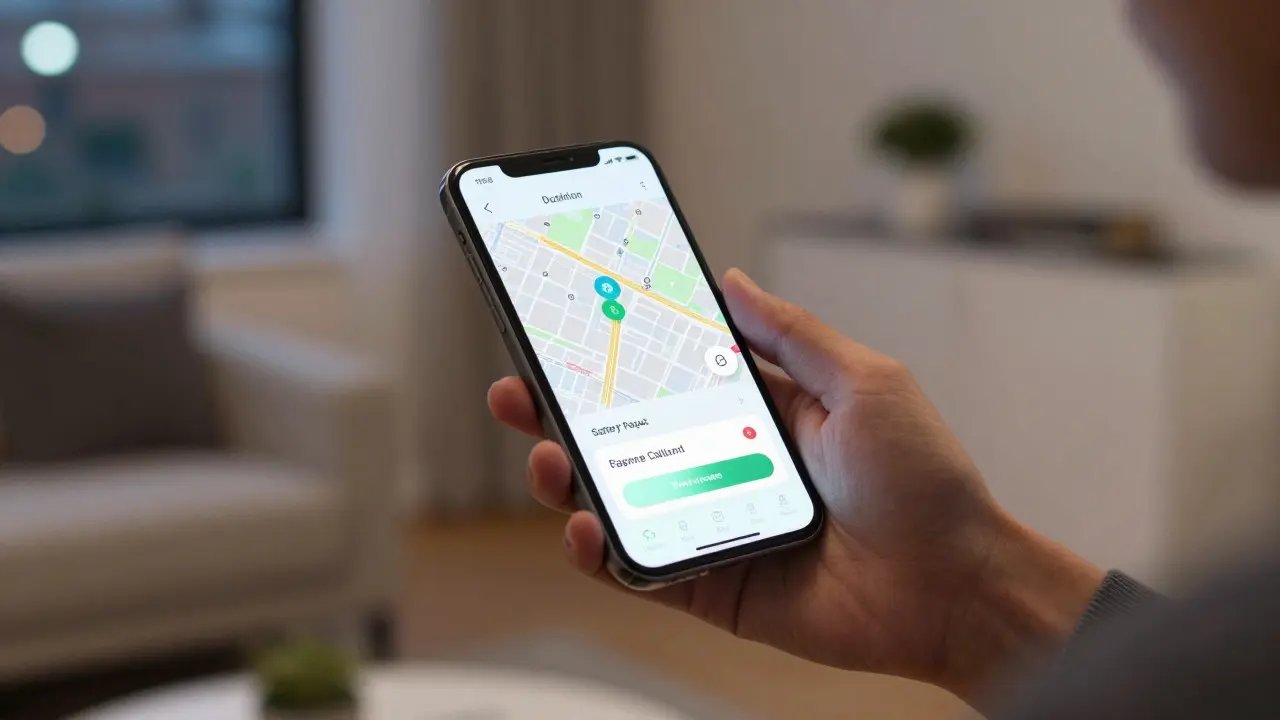
One of the biggest changes in recent years is the adoption of personal safety tools. Apps like bSafe, Circle 6, and even custom-built solutions created by escort collectives are now widely used in London. These apps let users set up silent alarms that send location data, audio recordings, and emergency messages to trusted contacts if something goes wrong.
Here’s how it works in practice: An escort books a client for 10 PM. She opens her safety app, enters the client’s name and booking details, and sets a 30-minute check-in timer. If she doesn’t manually confirm she’s safe by 10:30 PM, the app automatically sends an alert to three pre-selected contacts-including local security services. Some apps even integrate with police databases to flag known offenders.
A 2024 report from the London Safety Network found that escorts using these apps reported a 63% drop in incidents of harassment or assault compared to those who didn’t. That’s not a small number. It’s life-changing.

AI Screening and Client Vetting
It’s not just about apps for the escort. Tools are emerging that help screen clients before they even book. AI-powered platforms now scan client profiles across social media, check for criminal records (where legally accessible), and flag suspicious behavior patterns-like repeated cancellations, vague messages, or mismatched profile photos.
One London-based agency started using an AI tool called SafeMatch in late 2024. It cross-references incoming messages with known scam templates and behavioral red flags. Within three months, they reduced fraudulent bookings by 78%. The system doesn’t block anyone outright-it flags high-risk profiles for manual review. That’s a huge win for both safety and efficiency.
How Regulations Are Catching Up
London’s legal stance on escort work hasn’t changed-soliciting is illegal, but selling sexual services isn’t. Still, technology has forced authorities to rethink enforcement. The Metropolitan Police now use digital forensics to track illegal advertising networks, often shutting down unlicensed agencies that use bots to post fake listings.
At the same time, city officials have quietly started working with tech developers to create reporting tools that allow escorts to report threats anonymously. These tools are not public-facing. They’re built into private networks used by worker collectives. The goal? Reduce fear of retaliation and increase reporting rates.

What’s Next? The Rise of Decentralized Platforms
The next wave of change is coming from blockchain and decentralized platforms. A few London-based escort collectives are testing platforms built on Ethereum that allow workers to list services without a central authority. Payments are made in crypto, reviews are stored on-chain, and disputes are resolved through community voting-not corporate moderators.
It’s early days. But for many, it’s the most empowering model yet. No middlemen. No censorship. No hidden fees. Just direct, transparent connections between workers and clients.
The Human Side: Loneliness and Connection in a Digital World
Beneath all the tech, there’s still a human element. Many escorts say the biggest challenge isn’t safety or payments-it’s isolation. The shift to digital has made interactions more transactional. The casual coffee meetups, the long chats before a session, the sense of community among workers-those are fading.
That’s why new digital spaces are emerging. Private Discord servers, encrypted forums, and weekly virtual meetups are helping escorts stay connected. These aren’t just about work-they’re about mental health. One group in South London meets every Thursday to share stories, tips, and just listen. No agenda. Just presence.
Technology didn’t make the escort industry in London more impersonal. It just changed how connection happens. And sometimes, that’s a good thing.
Is it legal to be an escort in London?
Yes, selling sexual services is not illegal in London. However, activities like soliciting in public, running a brothel, or pimping are criminal offenses. Most modern escorts operate independently through private appointments and digital platforms to stay within legal boundaries.
Do escorts in London use background checks on clients?
Many do. While there’s no official system, tools like SafeMatch, client review databases, and AI screening apps are now common. These tools flag known offenders, suspicious behavior, or fake profiles. Some escorts also require clients to provide photo ID before confirming a booking.
Are digital payments safe for escorts in London?
Yes, when used correctly. Encrypted payment apps like Revolut, PayPal (with privacy settings enabled), and crypto wallets reduce the risk of theft or scams. Digital records also provide proof of transaction, which can be critical in reporting abuse or disputes. Most professionals avoid cash entirely now.
What safety apps do escorts in London use?
Popular options include bSafe, Circle 6, and custom apps developed by escort collectives. These apps allow users to set timers, share live location, record audio, and send emergency alerts to trusted contacts. Some integrate with local security networks for faster response.
Has technology made escort work safer in London?
Yes, significantly. A 2024 study found that escorts using digital tools for client screening, payment, and safety alerts experienced a 63% drop in violent incidents. Technology has given workers more control, better information, and faster access to help-turning what was once a high-risk job into one with far more safeguards.