London’s dance scene isn’t just loud-it’s alive.
If you’ve ever stood in a packed club with sweat on your skin, bass vibrating through your bones, and the whole room moving as one, you know London gets it right. This city doesn’t just host parties-it builds them. From underground warehouses to legendary venues that have shaped global club culture, London’s nightlife for dancers isn’t about fancy drinks or VIP sections. It’s about the music, the crowd, and the moment when the beat drops and everything else disappears.
Berghain’s little brother: The Cross Club
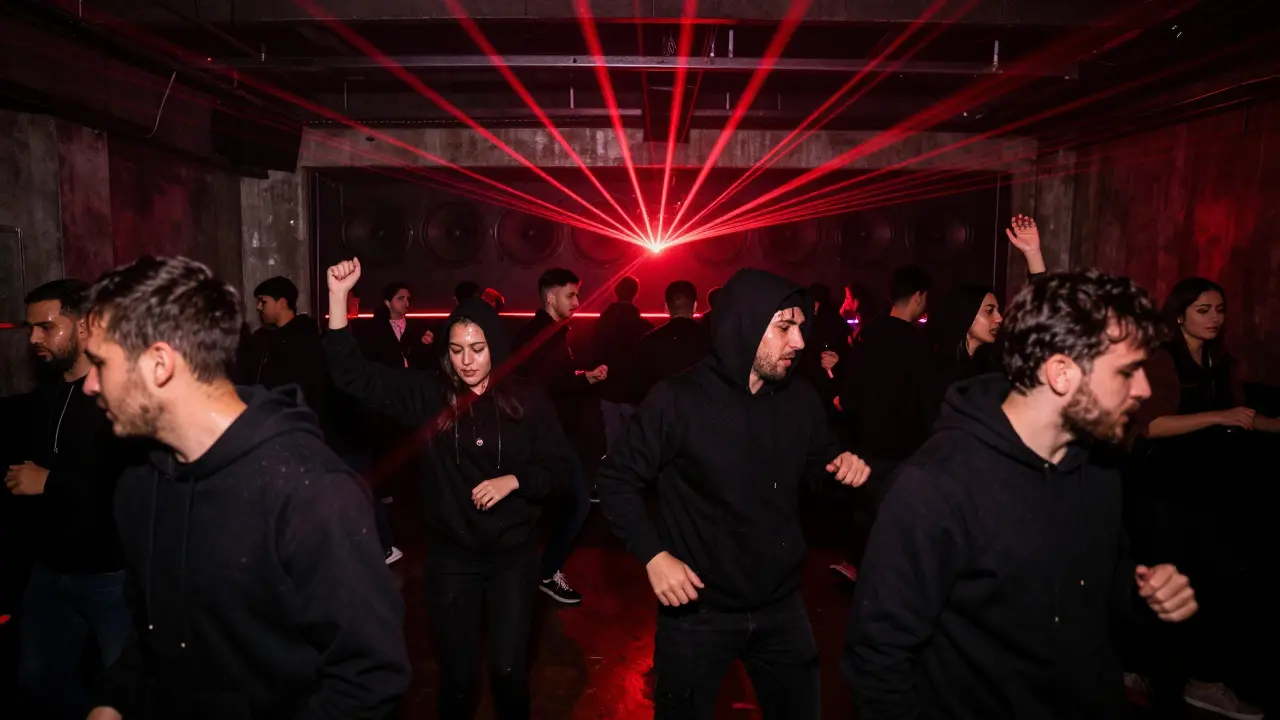
Don’t mistake this for Berlin. The Cross Club in Hackney doesn’t try to copy Berghain. It just does what Berghain does best-pure, unfiltered techno with zero pretense. The sound system is a beast: 12 subwoofers, custom-tuned by the owner, a former sound engineer who spent years tweaking frequencies in abandoned train yards. The lighting? Just strobes and red lasers. No LED screens. No bottle service. Just a floor that never stops moving. The crowd? Mostly locals in black hoodies, no names on the door, no dress code. You show up, you dance, you leave when your feet give out. This place opens at 11 PM and doesn’t close until 7 AM. It’s not for tourists. It’s for people who know that real dancing doesn’t need a playlist.
Printworks: Where the warehouse dream still lives
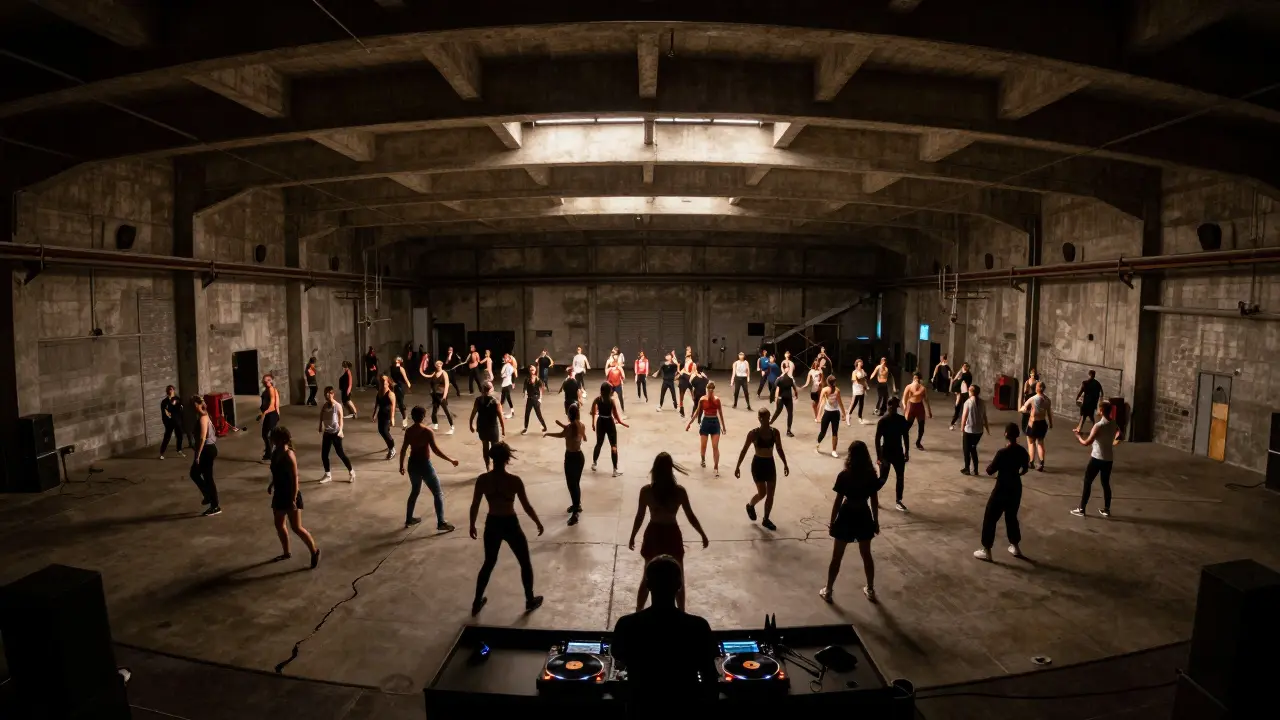
Printworks was built inside a 1970s printing factory in Rotherhithe. The ceilings are 15 meters high. The walls are concrete. The floors are industrial epoxy, cracked in places from 15 years of stomping. It’s not glamorous. It’s not Instagram-friendly. But when a DJ like Charlotte de Witte or Tale Of Us drops a 10-minute build that pulls the room into silence before exploding into a kick drum, you understand why people fly here from Tokyo and São Paulo. The sound is engineered for movement-every frequency hits your chest, not your ears. There are no tables. No chairs. Just open space and a crowd that moves like a single organism. If you want to dance without stopping for three hours, this is where you go.
Fabric: The institution that never forgot the beat
Fabric opened in 1999 and never changed its formula: one room, one sound, one purpose. The bass bins are custom-built by a team that still works with the original designers. The DJ booth? No screens, no laptops-just vinyl and CDJs. They don’t allow phone use on the dance floor. Not because they’re strict, but because they know distraction kills the vibe. You won’t find a cocktail bar here. Just a small counter selling water and cheap lager. The music? Deep house, techno, garage, bass-heavy UK styles. The crowd? Mix of students, DJs, architects, and retirees who’ve been coming since the early 2000s. Fabric doesn’t chase trends. It sets them. If you’ve never danced here, you haven’t danced in London.
KOKO: The grand dame with soul
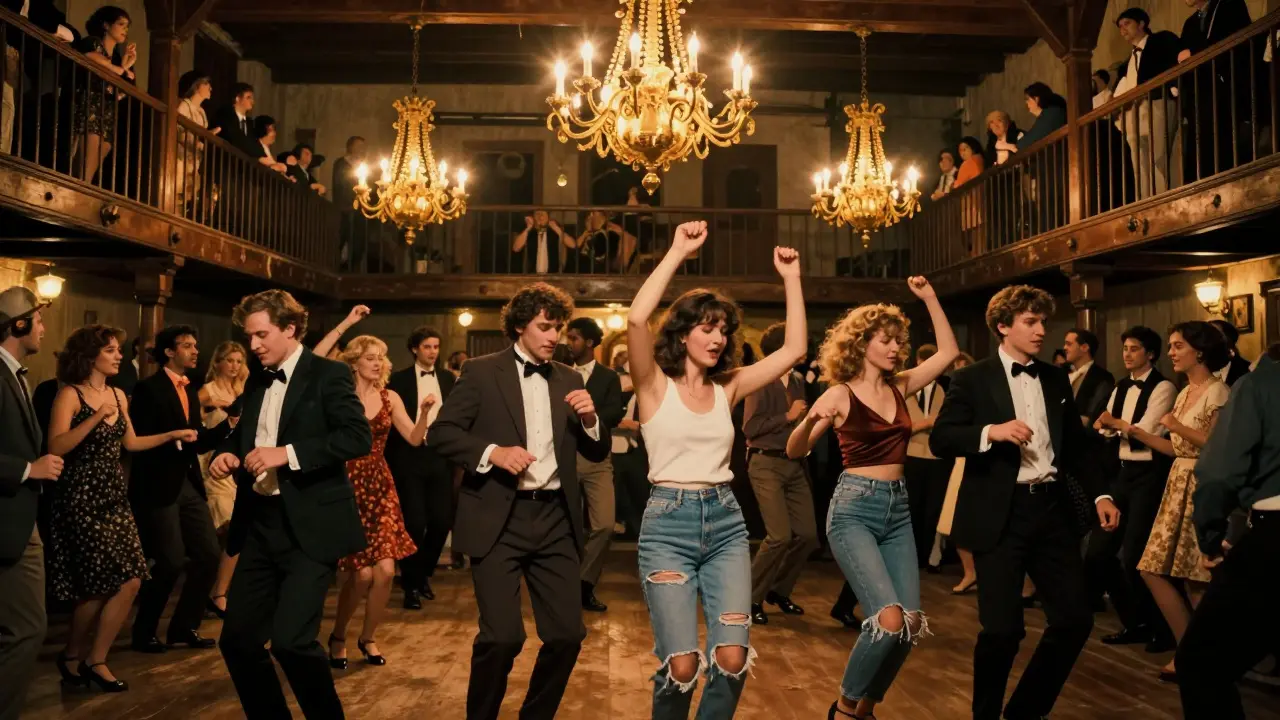
KOKO is different. It’s a 1900s music hall turned into a multi-level dance temple. The chandeliers are still there. The balconies still overlook the main floor. But the sound? Modern. Hard-hitting. The bass is tuned to shake the old wooden beams. This is where you’ll find house, disco, and funk nights that turn into all-nighters. The crowd here is older, but no less intense. You’ll see people in suits dancing with people in ripped jeans. It’s not a club. It’s a party that remembers how to have fun. On Friday nights, the DJ spins classic disco records from the 70s and 80s. The floor fills with people who’ve been dancing to these songs since they were teenagers. No one leaves early.
Secret spots: The ones you won’t find on Google Maps
Some of the best dancing in London happens where no one’s supposed to be. A basement under a kebab shop in Peckham. A converted laundrette in Brixton. A rooftop above a car wash in Dalston. These places don’t have websites. They don’t post on Instagram. You find them by word of mouth. Ask a bouncer at Fabric. Ask a DJ at The Cross Club. Ask someone who’s been dancing here for 10 years. They’ll whisper a name. You show up at midnight. You show your ID. You walk down a narrow stairwell. And then-boom. The music hits. The lights dim. And you realize you’re in one of the most honest dance spaces in the world. No bouncers checking your outfit. No cover charge. Just pure sound and movement.
What to expect: No fluff, just facts
London clubs don’t do fancy. You won’t find $20 cocktails. You won’t find velvet ropes. You won’t find people posing for photos. You’ll find:
- Music that starts at 11 PM and doesn’t stop until sunrise
- Sound systems built by engineers who care more about bass than branding
- Doors that stay open until 7 AM-no last call
- People who dance because they love it, not because it’s trendy
- Zero tolerance for bad energy. If you’re not moving, you’re blocking the floor
Most clubs charge £10-£15 entry. Some are free before midnight. Bring cash. Cards don’t always work. Wear shoes you can dance in all night. No heels. No flip-flops. Just flat, sturdy soles.
When to go: Timing matters
Thursday nights are for the early birds-techno heads and underground DJs testing new tracks. Friday is the big one. The city wakes up after midnight. Saturday is the peak. Crowds are bigger, energy is higher, but the music doesn’t change. Sunday is the secret. Some of the best sets happen on Sunday mornings-after the weekend crowd has left. DJs play deeper, slower, longer. It’s the kind of night that changes how you hear music forever.
What to avoid
Don’t go to clubs that advertise "VIP" or "celebrity guests." Those are for people who want to be seen, not danced with. Don’t go to places that play Top 40 hits. You’ll hear the same 10 songs you hear in every airport lounge. Don’t go if you need a table. You won’t get one. Don’t go if you’re looking for a quiet drink. This isn’t a bar. It’s a movement.
Where to find the real scene
Follow local DJs on SoundCloud. Check out Resident Advisor listings for London. Subscribe to newsletters from Time Out London’s nightlife section. Join Facebook groups like "London Underground Dance" or "Techno London Only." Don’t rely on Instagram. The best parties aren’t posted. They’re whispered.
Final thought: It’s not about the club. It’s about the dance.
London’s nightlife isn’t about the name on the door. It’s about the moment when the music takes over and your body moves without thinking. It’s about the strangers who become your dance partners for one song. It’s about the sunrise coming through the windows while you’re still going. You don’t need to be cool. You don’t need to know the DJ. You just need to show up-and let the beat lead you.
What’s the best night to go dancing in London?
Friday and Saturday nights are the busiest, but Sunday mornings offer the deepest, most soulful sets. Many DJs save their most experimental tracks for Sunday, and the crowd is quieter, more focused. If you want to dance without being crushed, Sunday is your best bet.
Do I need to dress up for London clubs?
No. Most clubs don’t have dress codes. Black jeans, a plain tee, and solid shoes are all you need. Avoid flashy outfits, branded hoodies, or anything that looks like you’re trying too hard. The best dancers wear what lets them move.
Are London clubs safe for solo dancers?
Yes. London’s dance clubs are among the safest in the world for solo visitors. Bouncers are trained to intervene quickly if someone feels uncomfortable. The culture is built on respect-you dance, you don’t touch. If you’re alone, you’ll still find people to move with. Many people come solo and leave with new friends.
Can I bring my phone into the clubs?
You can bring it, but you won’t use it. Many clubs, especially Fabric and The Cross Club, ask you to keep phones away. Screens kill the vibe. If you want to remember the night, take a photo before you go in-or just let the music stay with you.
What’s the average age of people dancing in London clubs?
There’s no average. You’ll see 18-year-olds next to 50-year-olds. The music attracts all ages. In fact, some of the most dedicated dancers are in their 40s and 50s. They’ve been dancing since the 90s and still know every track.