Welcome to Milan, where the sun sets early, but the night barely starts. If you think Milan nightlife means grabbing a cocktail at 8 PM and heading home by midnight, you have a lot to learn. The city operates on its own timeline, one dictated by fashion, late dinners, and a relentless energy that peaks when most tourists are already in bed.
To navigate this scene without looking like a lost traveler, you need to understand the rhythm. Unlike London or New York, where the bar crawls start early, here the night is a marathon, not a sprint. We're talking a schedule where dinner begins at 9 PM, drinks flow until 2 AM, and the clubbing doesn't even warm up until midnight.
The Art of the Aperitivo
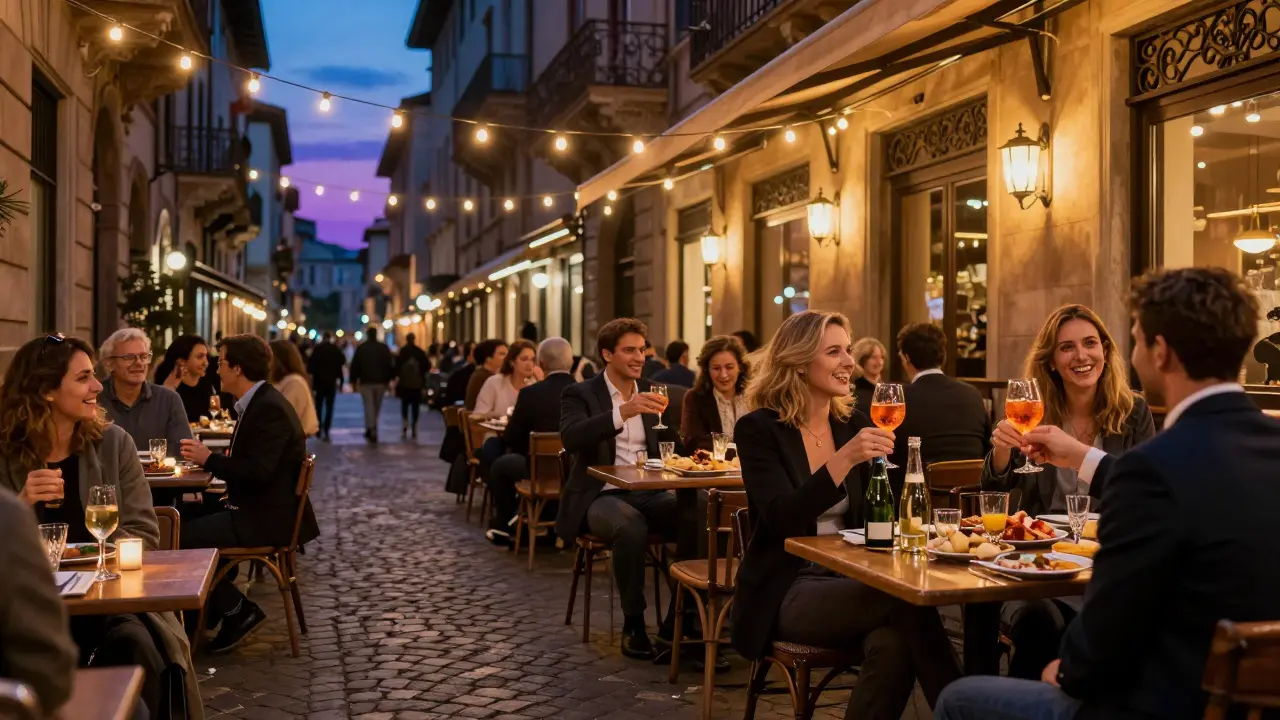
Your first lesson isn't about finding the loudest bassline; it's about the Aperitivo. This isn't just a pre-dinner drink; it is a full-blown meal strategy. Between 6 PM and 9 PM, locals flood specific neighborhoods to stretch their budget. For a price between €15 and €25, you buy a glass of wine, Negroni, or Spritz, and get access to a buffet table piled high with snacks.
Why does this matter to your night out? Because Milan eats late. If you skip this window, you miss the social lubricant of the city. In areas like Brera, the aperitivo transforms streets into open-air dining rooms. You grab a bite, chat, and settle into a long dinner after 10 PM. If you're hungry at 8 PM, go for aperitivo. If you're peckish at 7 PM, you're early. This ritual defines your entry into the local lifestyle.
Mastering the Neighborhoods
Milan isn't one big party zone; it's a collection of distinct districts, each with a specific vibe. Trying to party in the wrong area is a rookie mistake.
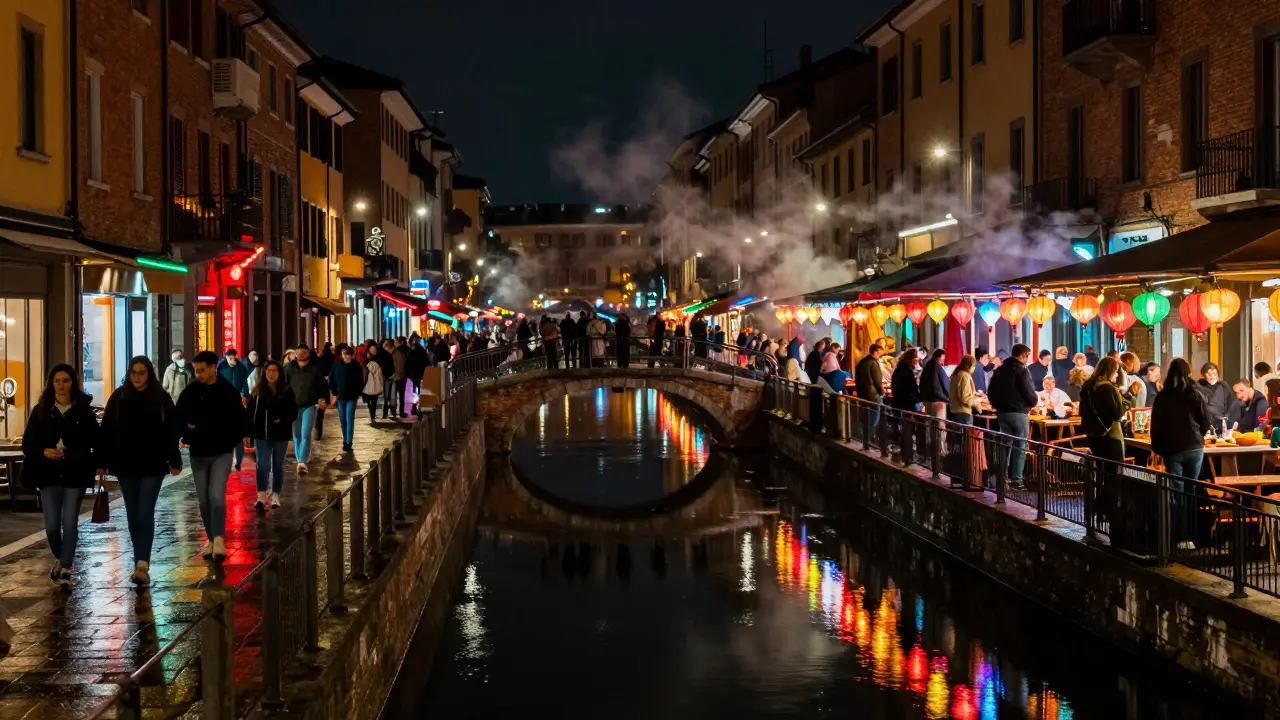
- Navigli: Canals define this district. It feels like Venice meets a warehouse rave. In the summer, the atmosphere spills onto the bridges. This is student country-energetic, loud, and cheap. You'll find dozens of bars within ten minutes of walking. If you want a crowded dance floor outside, start here.
- Isola and Porta Garibaldi: Think hipster, design-focused, and trendy. This is where you see the younger creative set. The venues here are curated. You might find a hidden jazz speakeasy next to a techno bunker. Prices are higher, but the crowd is dressed to kill.
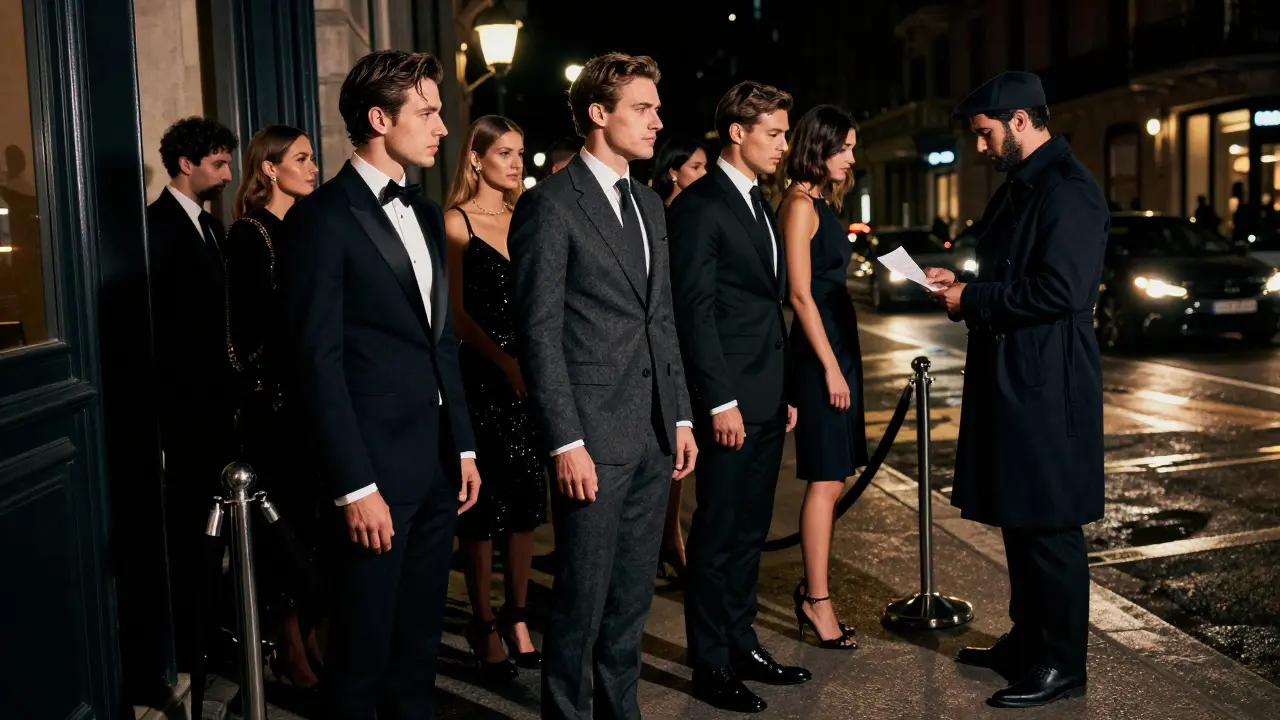
- The Fashion District: Don't expect cheap beer near the Quadrilatero della Moda. Here, the nightlife happens in hotel bars and rooftop lounges. The dress code is king. You need leather shoes and tailored clothes, or the bouncer won't care how rich you look in sneakers.
- Certosa: Located off the main tourist trail, this industrial zone has become the hub for serious clubbing. The massive warehouses hold thousands of people for big DJ names. Traffic is a nightmare here; take the metro or tram.
Choose your battlefield based on who you are that night. If you want to people-watch while sipping champagne, head to the Design District. If you want to sweat it out on a sticky floor, Navigli or Certosa is your playground.
The Timeline That Doesn't Exist
The biggest pitfall for visitors is showing up too early or leaving too soon. A typical "night" in Milan looks different than anywhere else in Europe. Let's break down the clock.
- 6:00 PM - 8:00 PM: Aperitivo hour. Grab food and drinks. This is your fuel.
- 9:00 PM - 11:30 PM: Dinner time. Restaurants are packed. Many people go straight from aperitivo to dinner.
- 11:30 PM - 2:00 AM: After-dinner drinks. Bars get louder. Clubs start opening their doors, though lines are short.
- 2:00 AM onwards: The real party begins. This is when the crowds arrive.
If you show up at a club at 10 PM, you'll be the only person in the room, staring at empty tables. The staff isn't ready yet. The music hasn't started. Conversely, trying to leave at 1 AM feels rude; everyone stays until morning light. Trains stop running around 1:30 AM on weekends, so plan accordingly. You will rely on taxis or rideshare apps once public transit shuts down.
Money Matters: Cover Charges and Spending
You need a clear budget because prices vary wildly depending on the venue type. You can party on a shoestring if you stick to aperitivos, but the club scene can drain your wallet fast.
| Venue Type | Entry Fee | Drink Price |
|---|---|---|
| Traditional Bar | Free | €4-€6 (Beer) |
| Lounge / Cocktail Bar | €10-€20 Cover | €12-€16 (Cocktail) |
| Major Club (Techno/House) | €30-€60 Entry | €10-€14 (Drink Ticket) |
| Rooftop VIP | No Cover (Reserve Table req.) | €50+ (Table Minimum) |
Watch out for "bottel minimums." Some upscale lounges require you to spend a bottle of alcohol if you sit at a specific table. Always ask beforehand. Also, cash is still king in many smaller bars and clubs. While card readers exist everywhere, signal drops happen, and some small "discoteche" still prefer Euro bills for cover charges. Have roughly €100 in cash tucked away.
Dressing for Success
Milans loves fashion. Even if the venue is gritty, the locals dress sharply. This applies especially to men. Sneakers should be clean designer styles, not gym running shoes. Flip-flops, shorts, and tank tops are death sentences to getting in a good spot. Women, you can wear almost anything as long as it's fitted and stylish, but comfort matters less than style here.
Why does it matter? Bouncers (the addetti) have free rein to let people in or out. If you stand out in a line wearing a hoodie and cargo pants while others are in blazers, you will wait much longer. It is easier to be overdressed than underdressed.
Navigation and Safety
Moving around is simple but timing-dependent. The ATM Milan metro runs frequently, but the last train leaves around 11:30 PM to midnight on weekdays and sometimes 1:30 AM on Fridays and Saturdays. After that, you are on your own.
Taxis are expensive but safe. Download the official app or flag them on the street. Uber is not available for ride-hailing in the same way as in America or UK cities, except for premium services like Uber Black.
Safety-wise, Milan is generally secure, but pickpocketing thrives in crowded trains and busy nightlife hubs. Keep your phone in a front pocket or a zippered bag. Avoid flashing large amounts of cash at outdoor tables. There is little mugging, but theft by distraction is common. Stay sober enough to track your belongings.
Frequently Asked Questions
What time do clubs close in Milan?
Most clubs stay open until sunrise, typically around 6:00 AM. On weekends, some legendary spots remain open until the police shut them down, which can be later.
Do I need to book tickets for clubs in advance?
Yes, booking online is safer. Popular venues like Fabrica or Alcatraz sell out quickly. Buying a ticket guarantees entry and saves the cover fee compared to paying at the door.
Is it safe to walk alone at night in Milan?
Walking alone is generally fine in the center and popular nightlife districts like Brera and Navigli. However, avoid dimly lit parks or outskirts late at night. Stick to well-lit, populated streets.
Can I wear jeans to a club in Milan?
Jeans are acceptable if they are dark and non-distressed. Ripped jeans or overly sporty denim will likely get you rejected at stricter venues. Pair them with smart shoes and a jacket.
What is the cheapest way to enjoy the nightlife?
Start with the Aperitivo. Spending 15 euros on a drink grants access to food buffets that could cost 30 euros elsewhere. Skip the clubs and enjoy the bar hops in the Navigli district instead.